 Fansipan
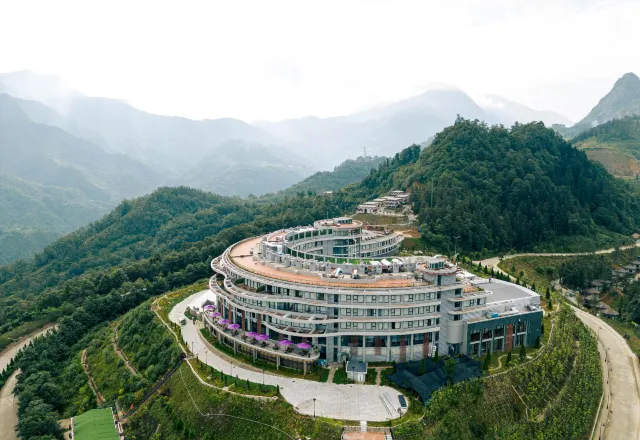
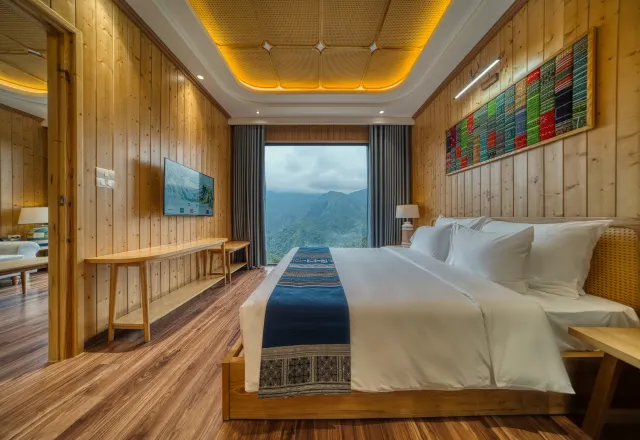
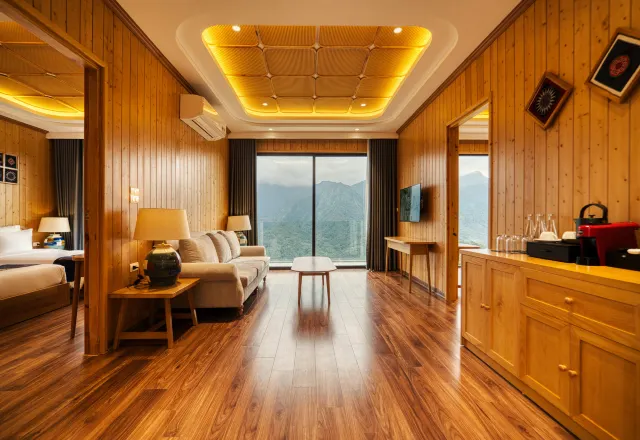
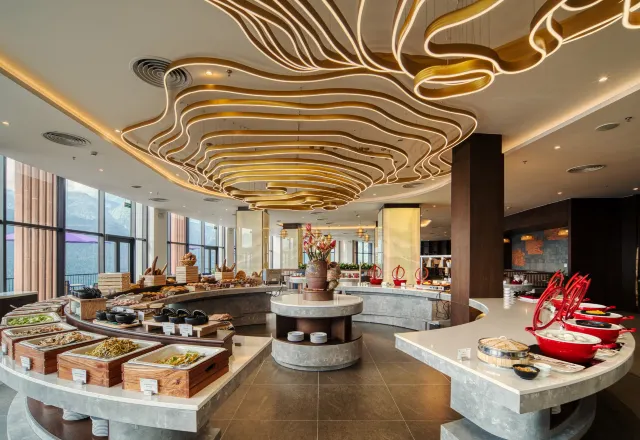
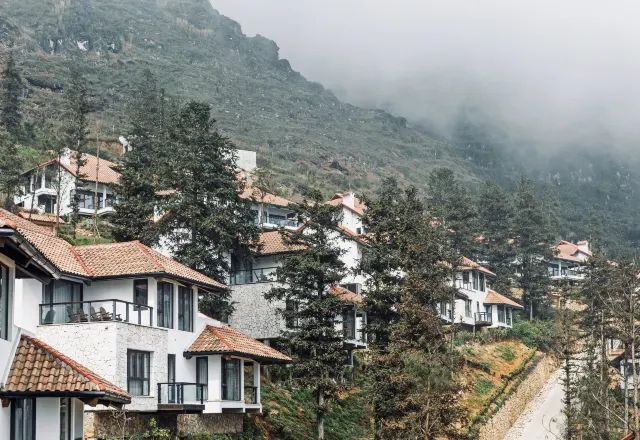
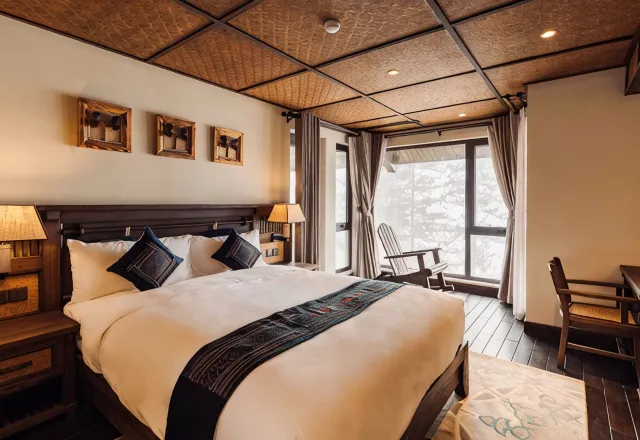
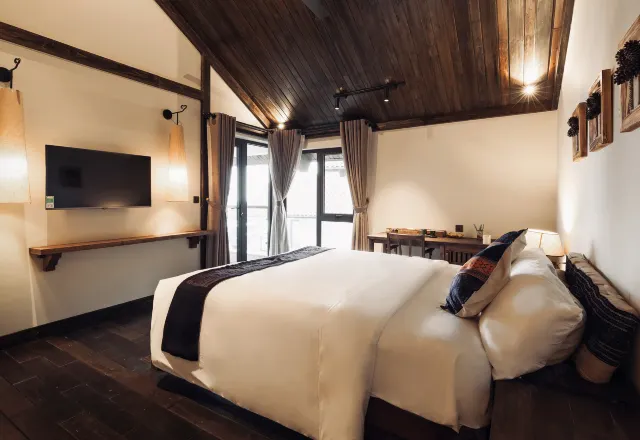
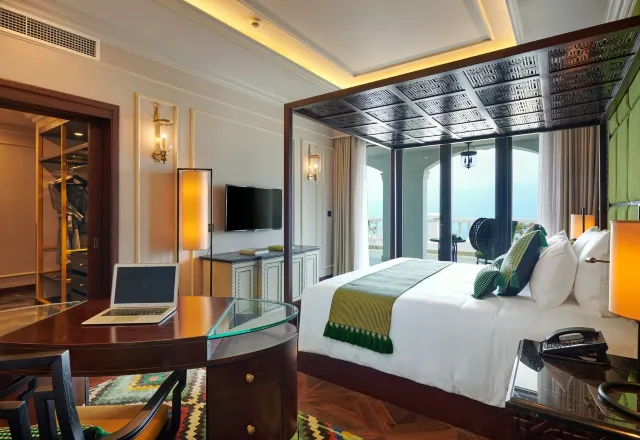
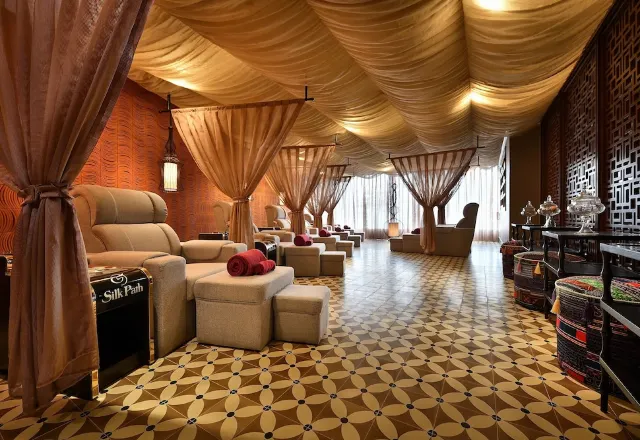
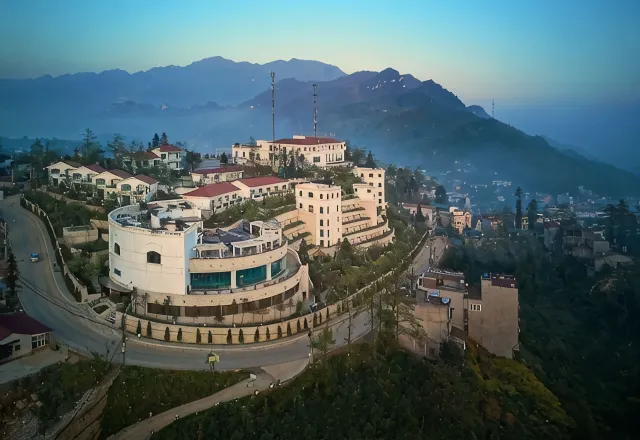
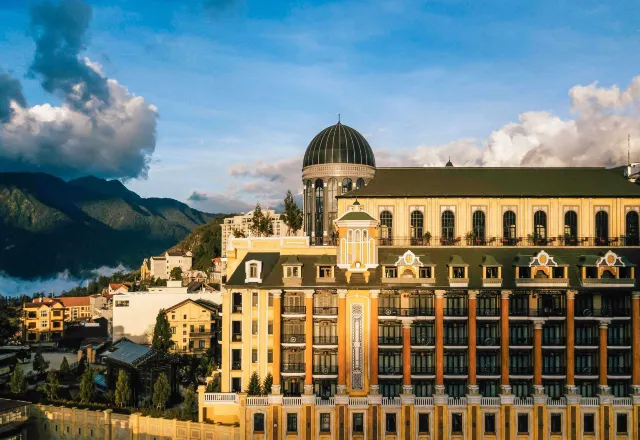
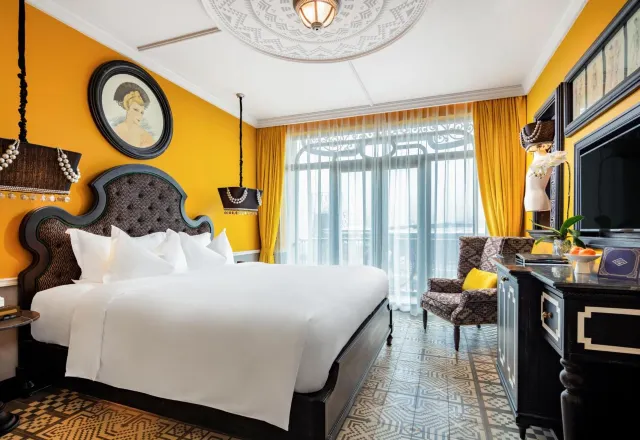
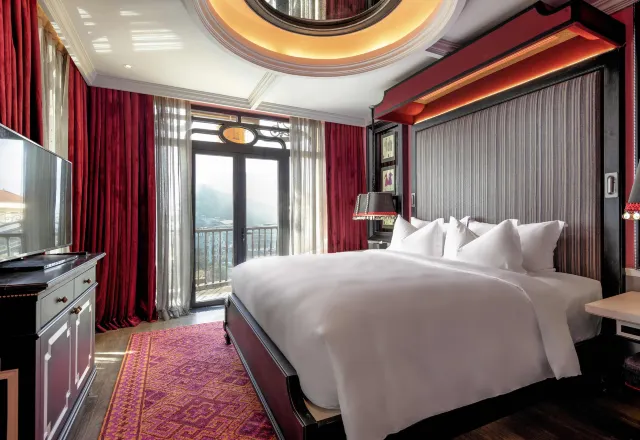
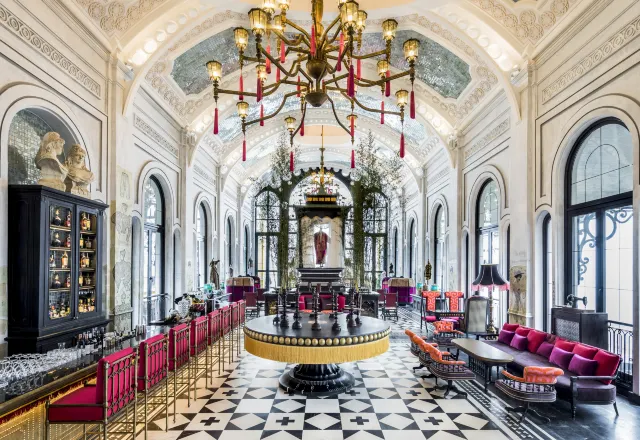
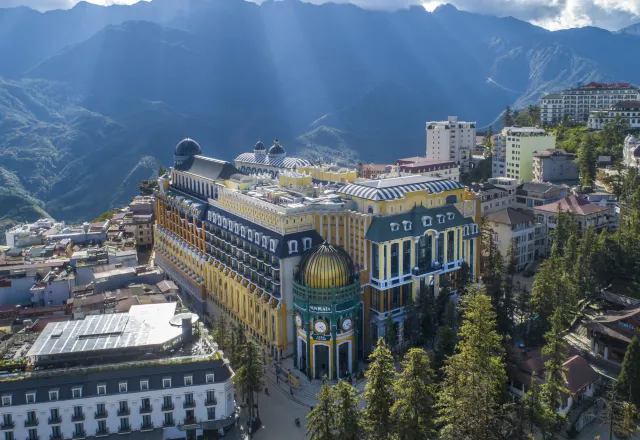
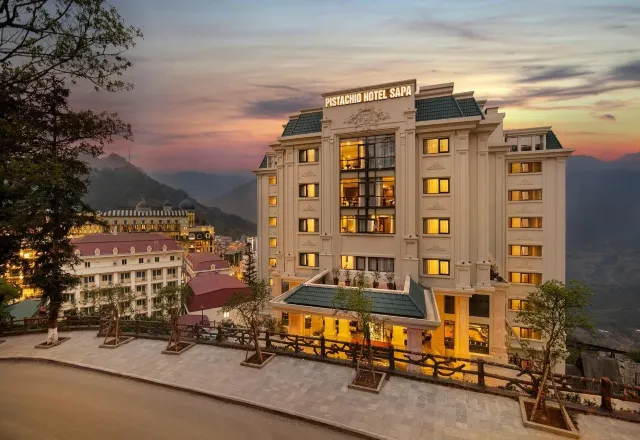
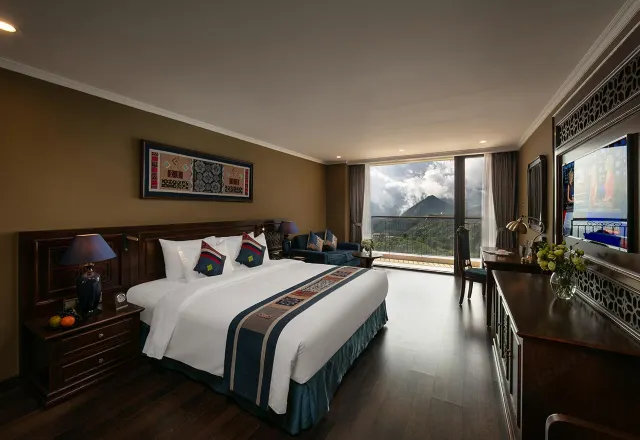
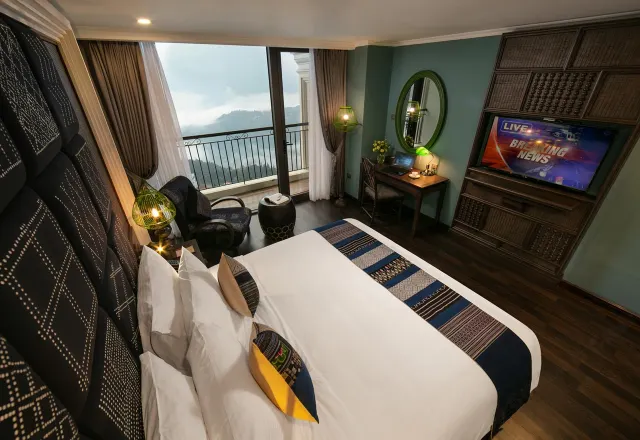
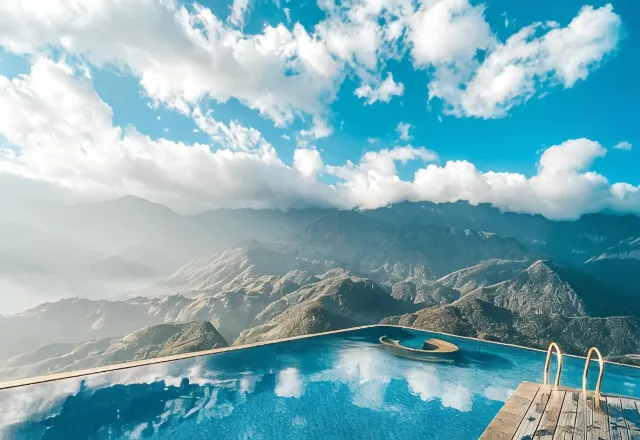
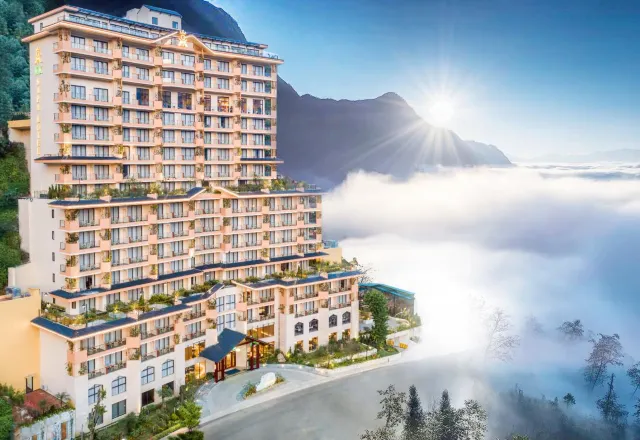
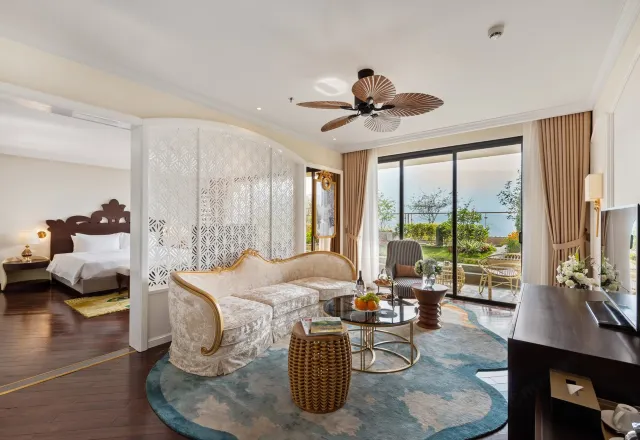
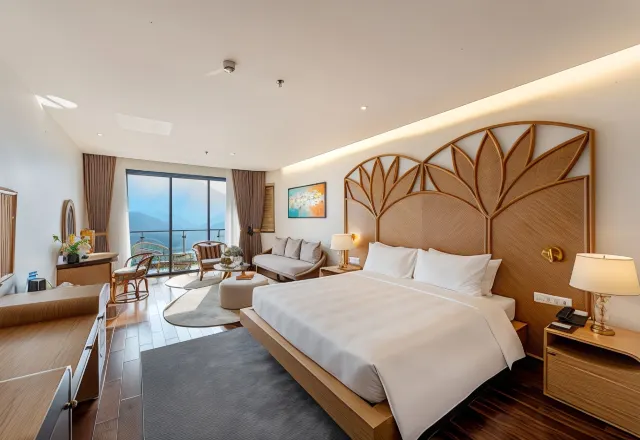
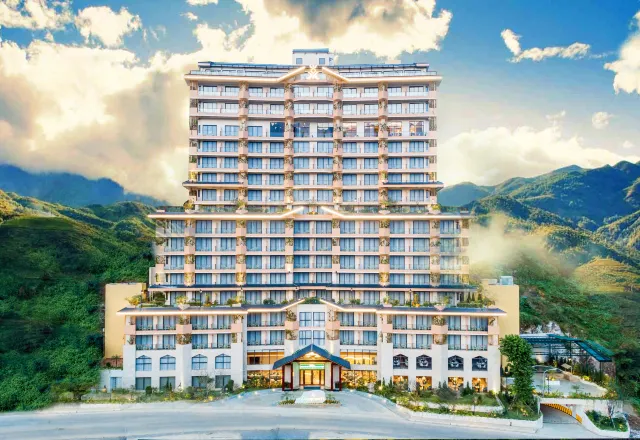
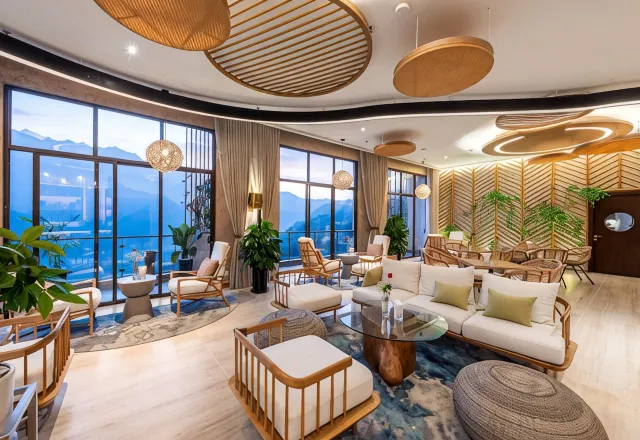
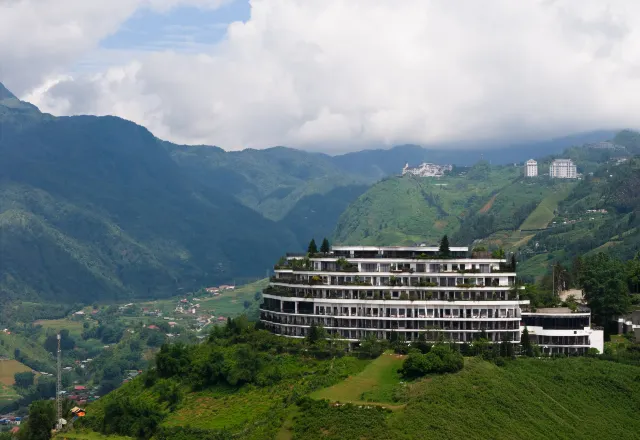
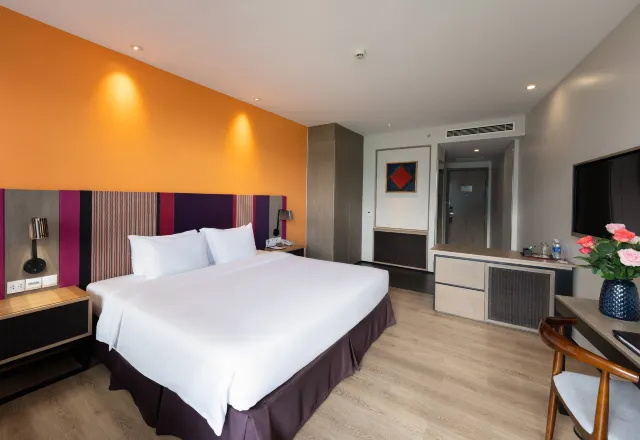
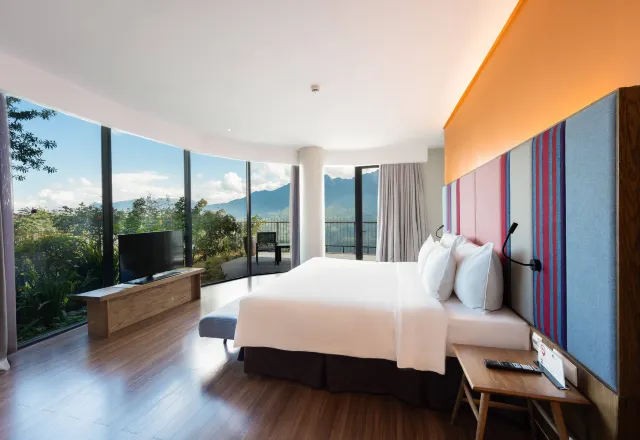
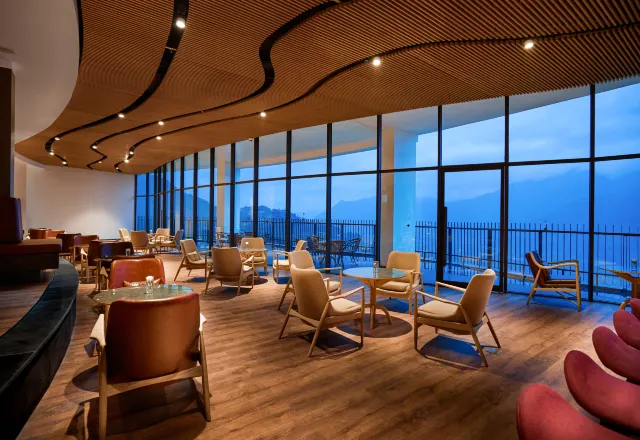
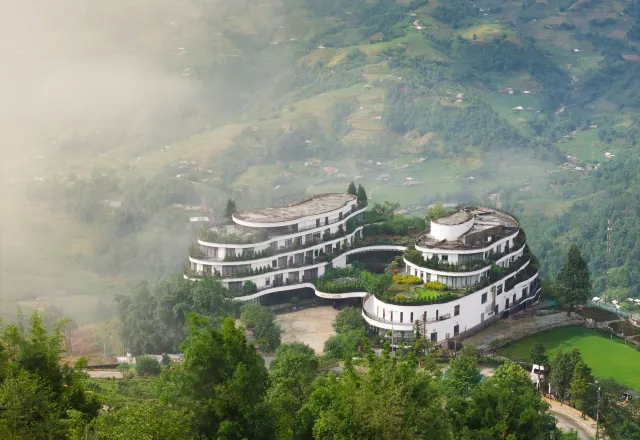
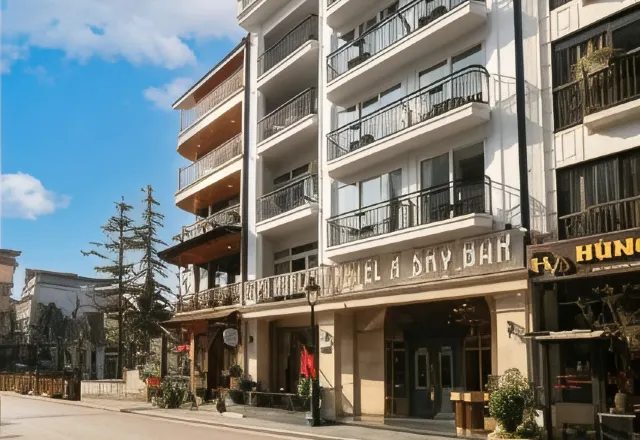
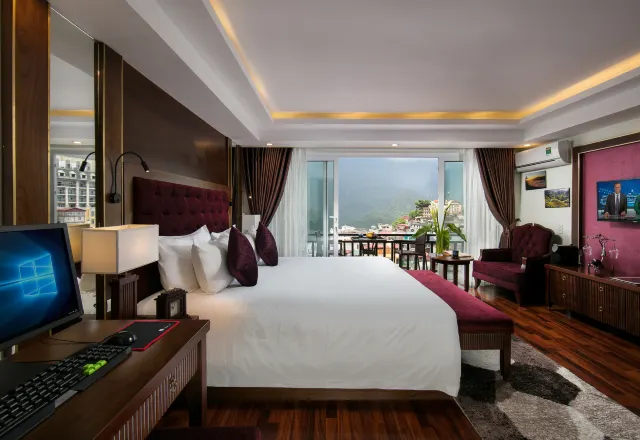
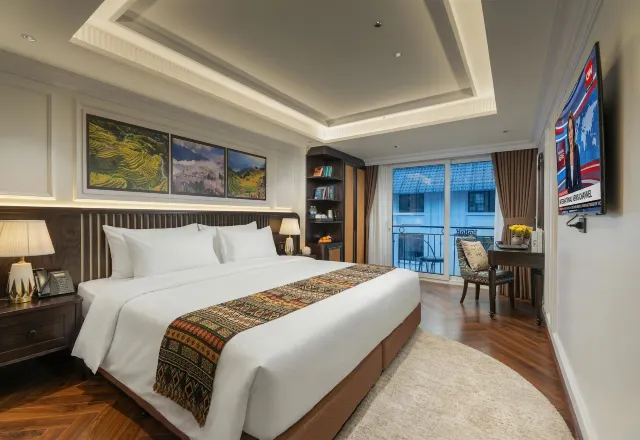
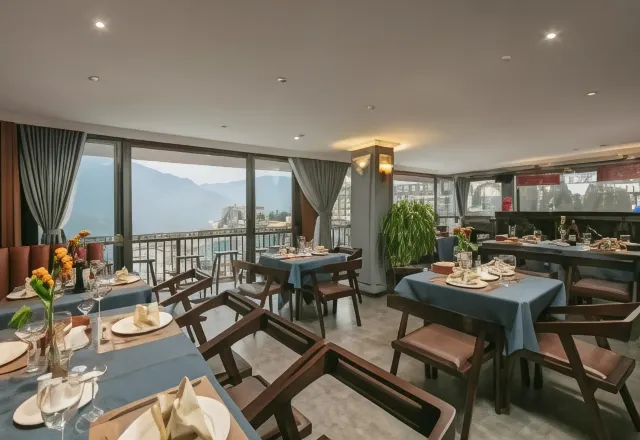
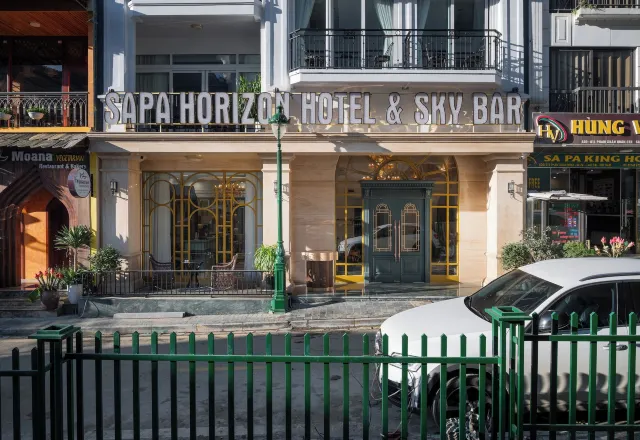
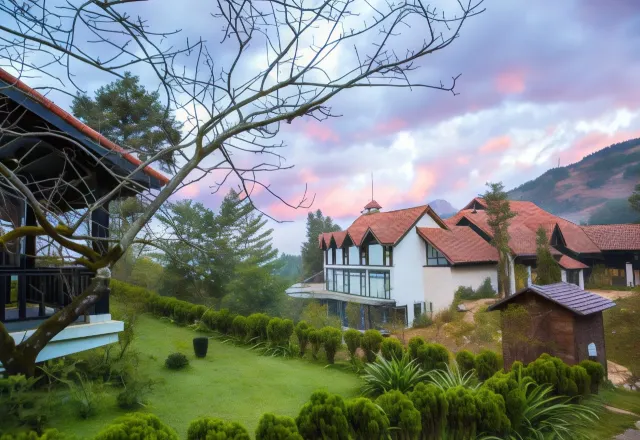
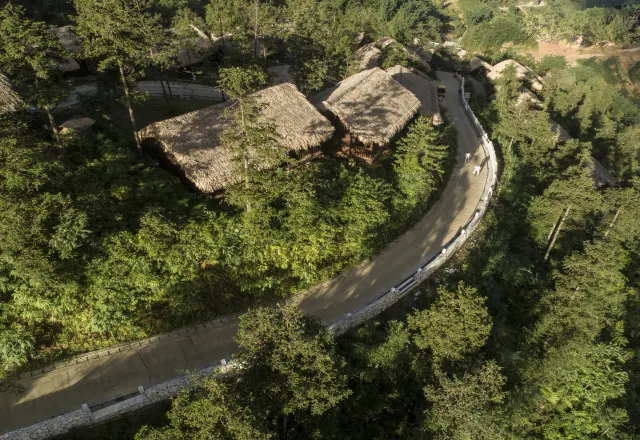
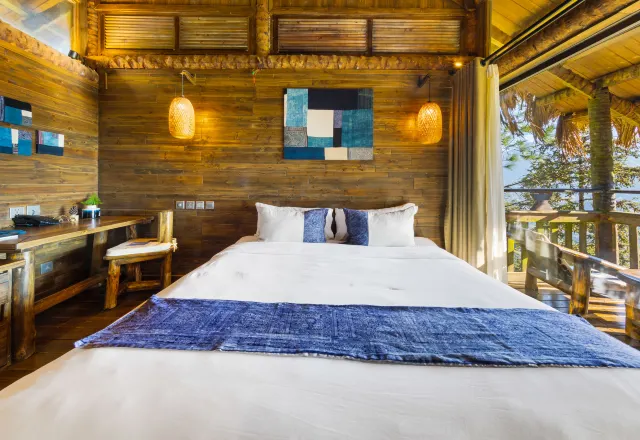
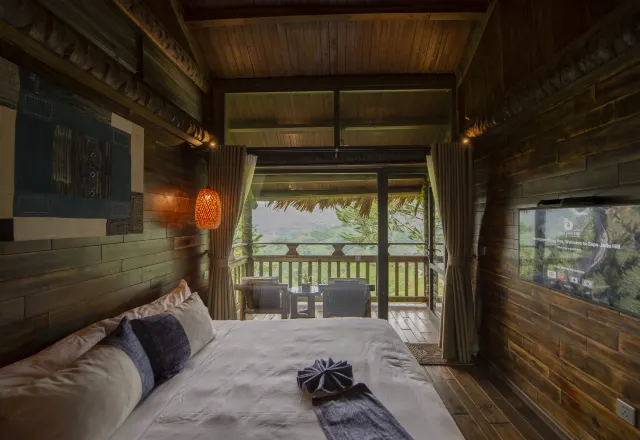
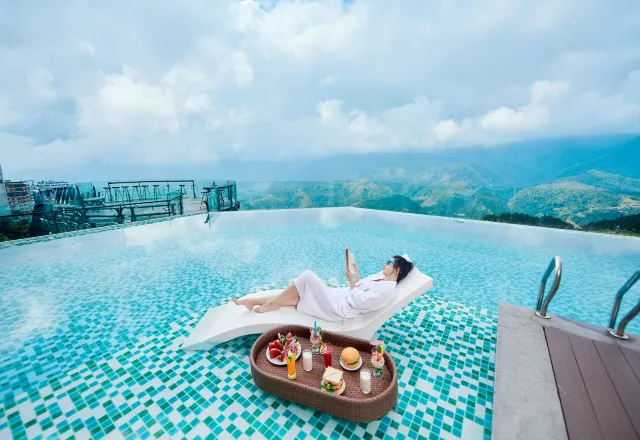
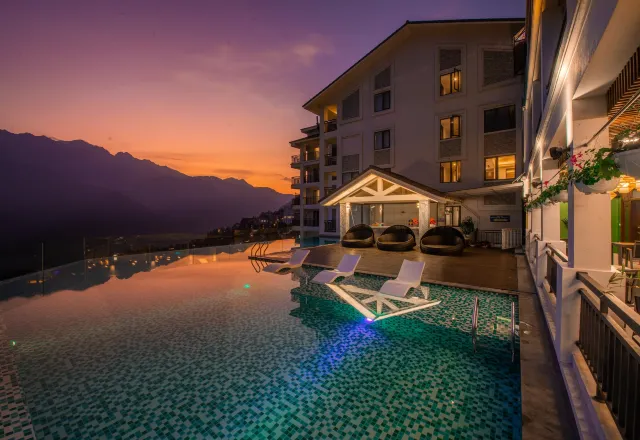
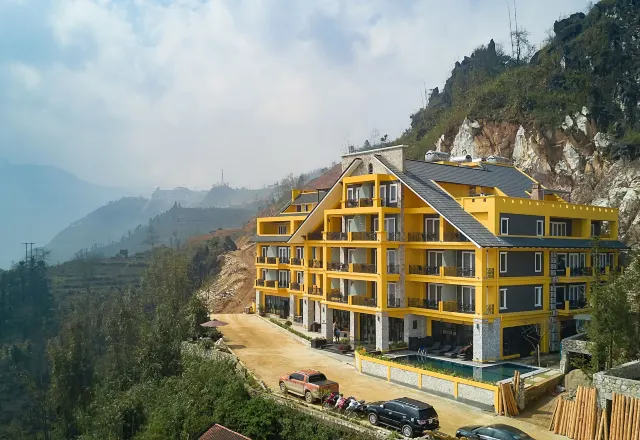
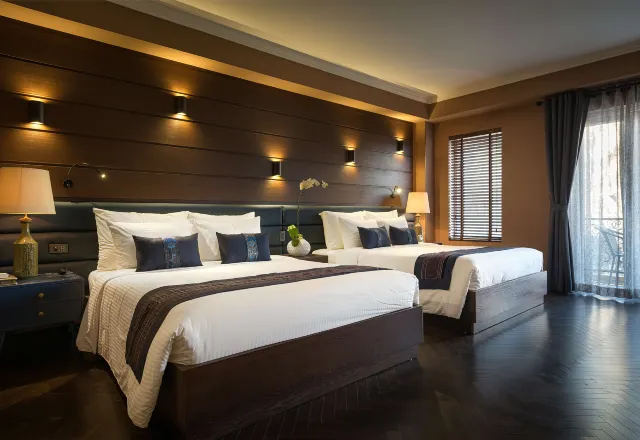
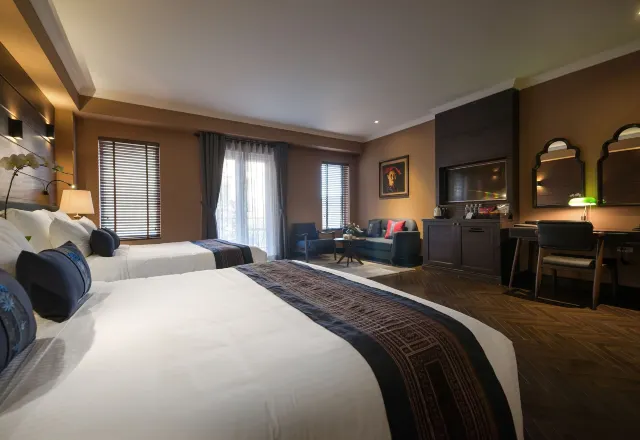
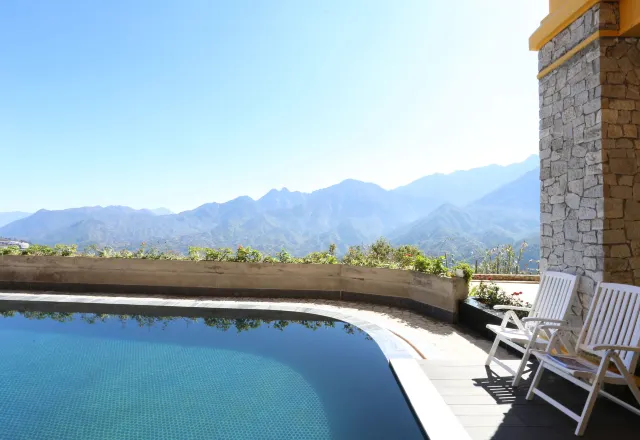
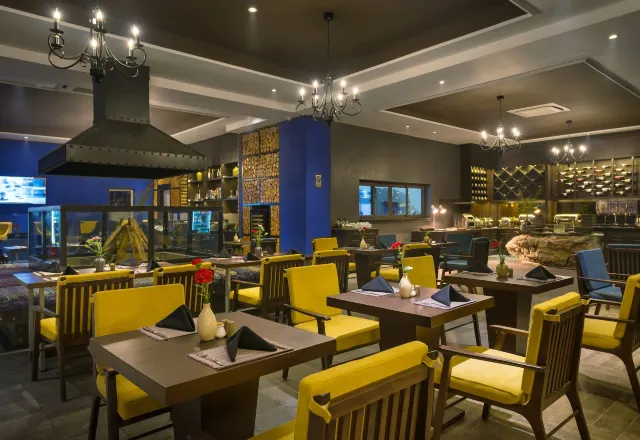
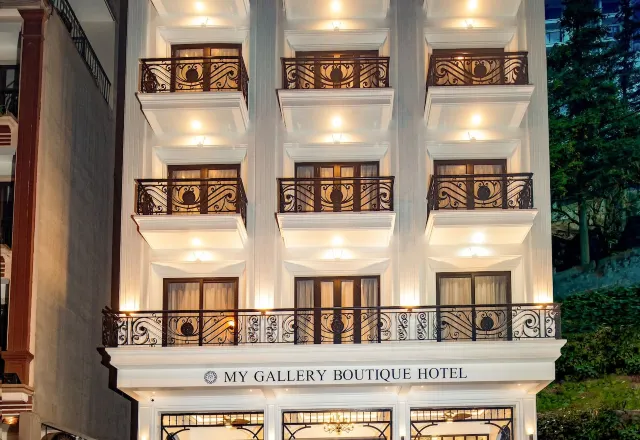
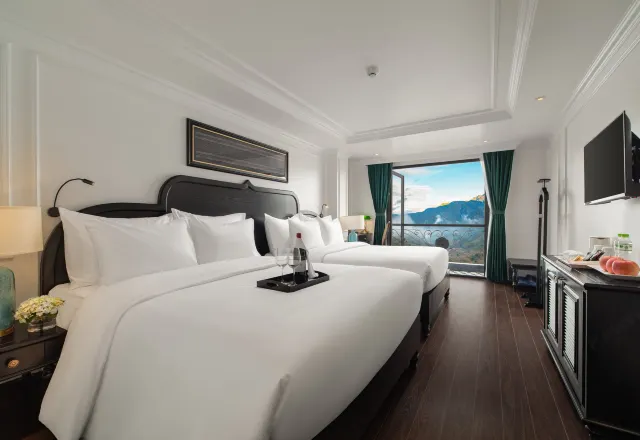
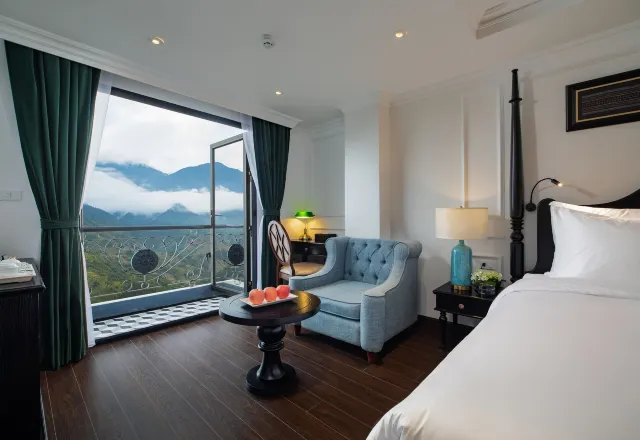
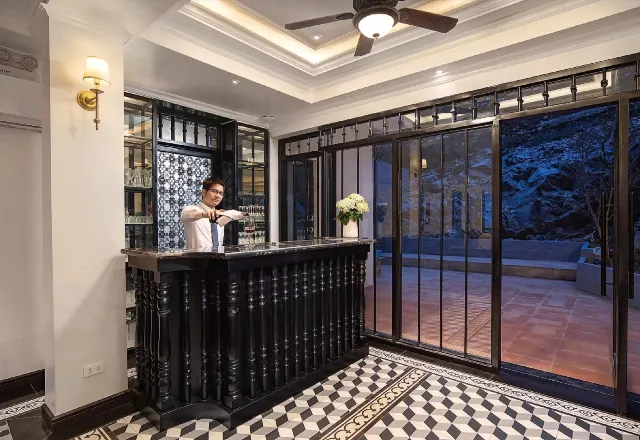
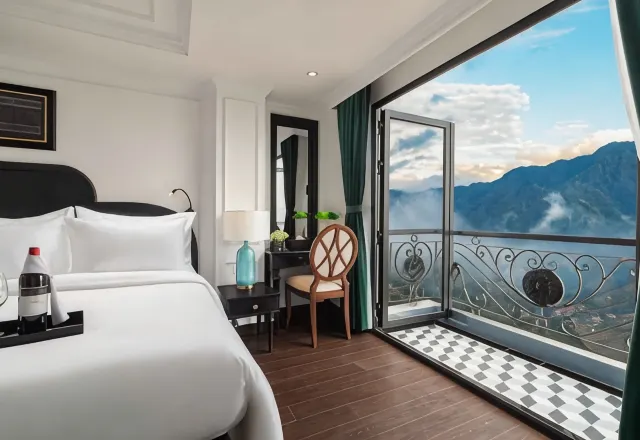
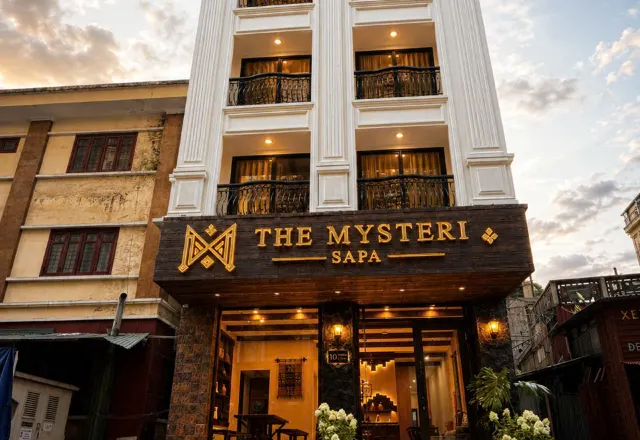
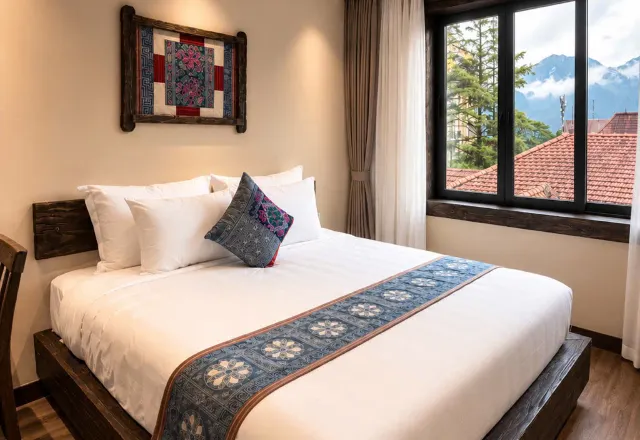
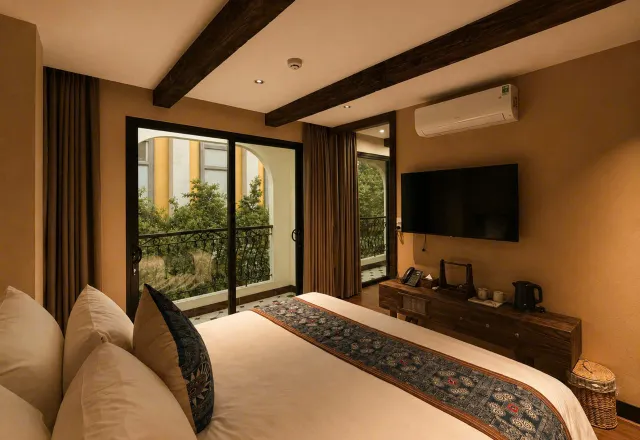
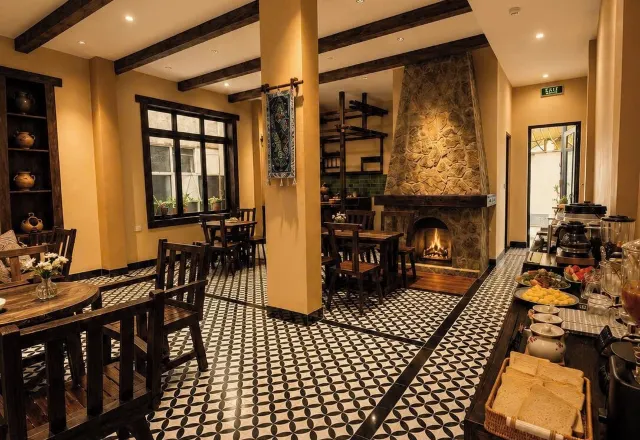
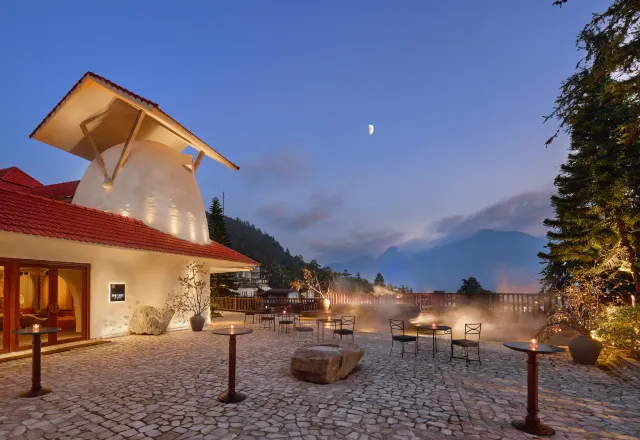
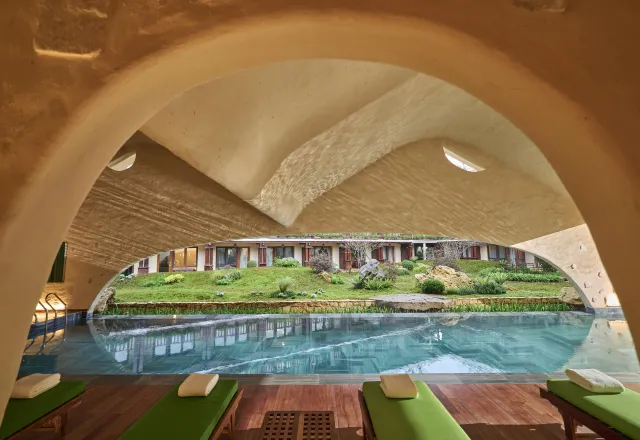
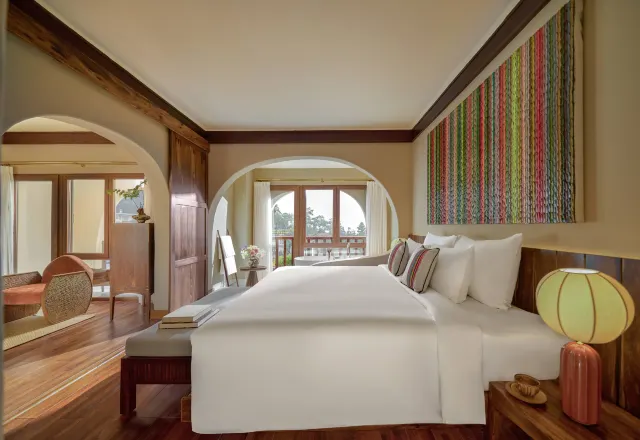
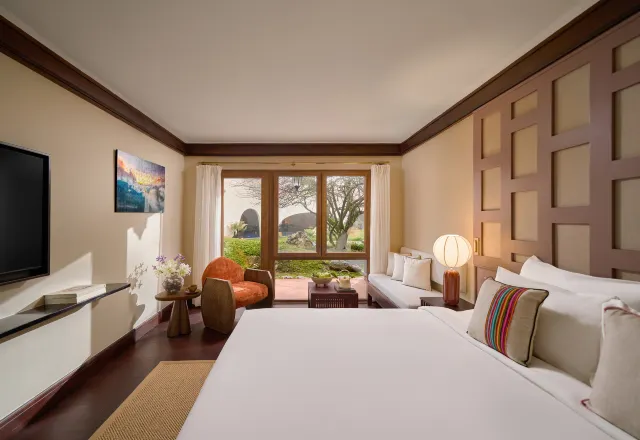
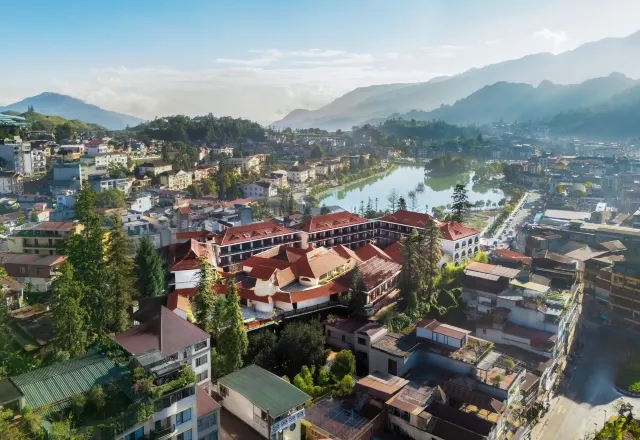
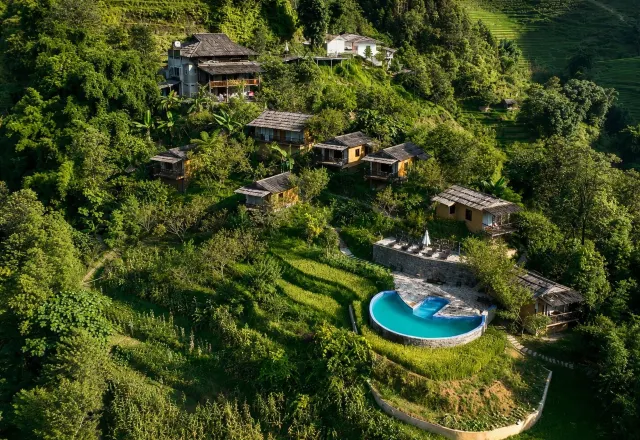
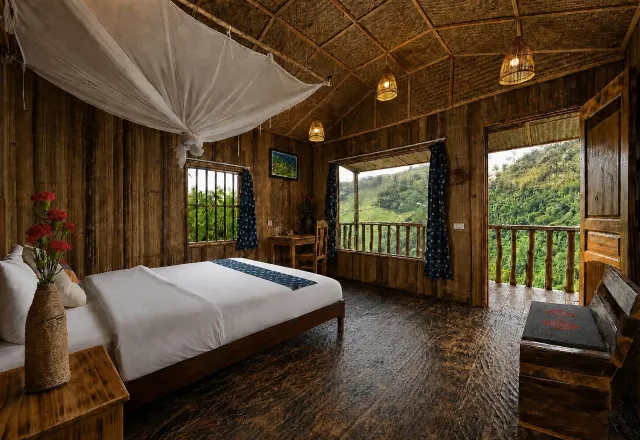
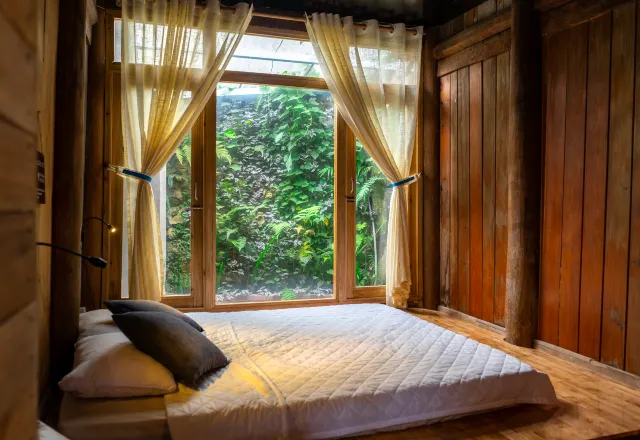
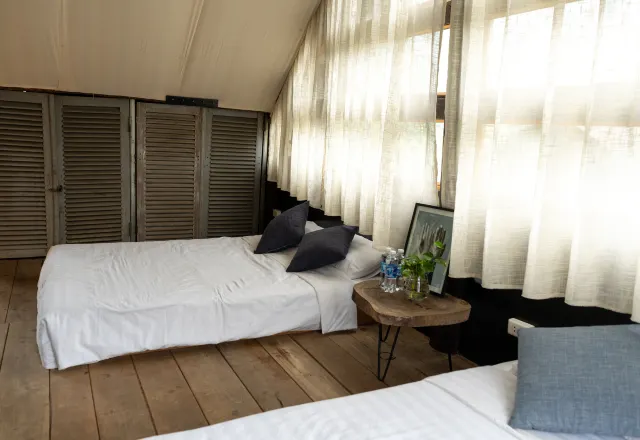
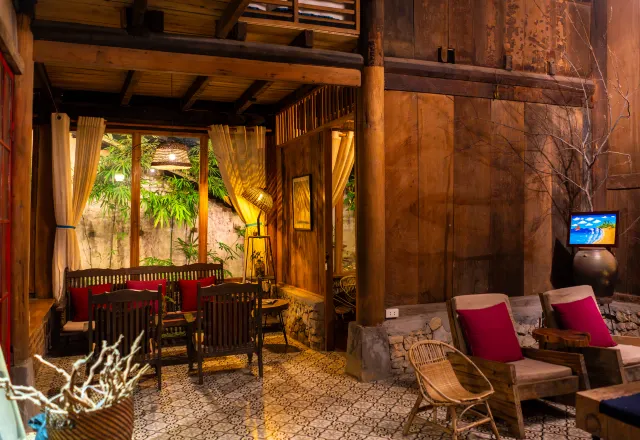
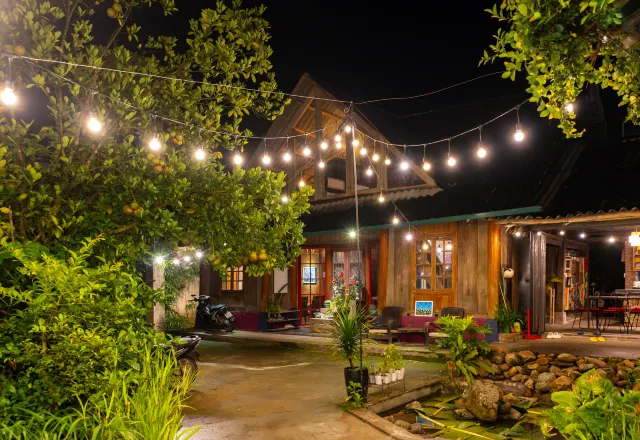
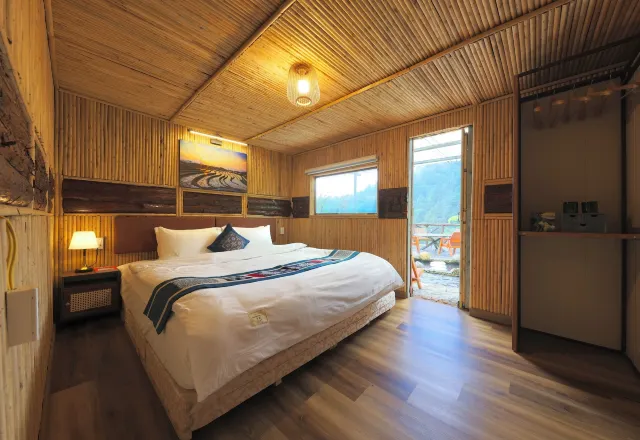
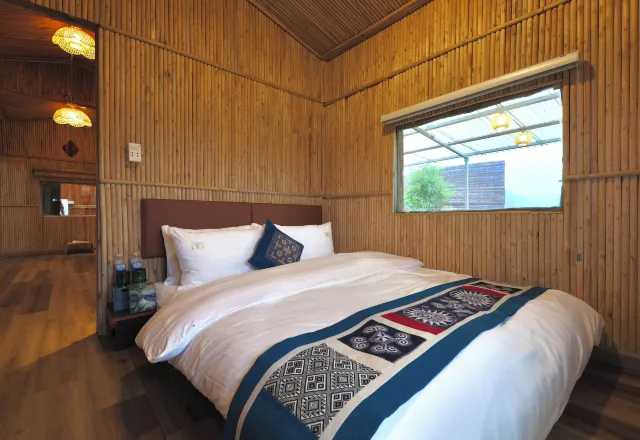
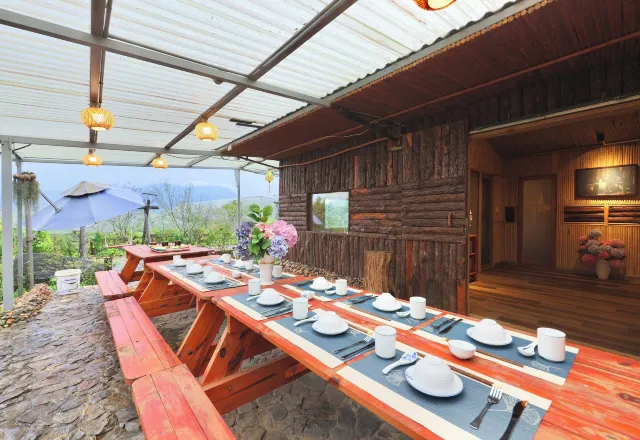
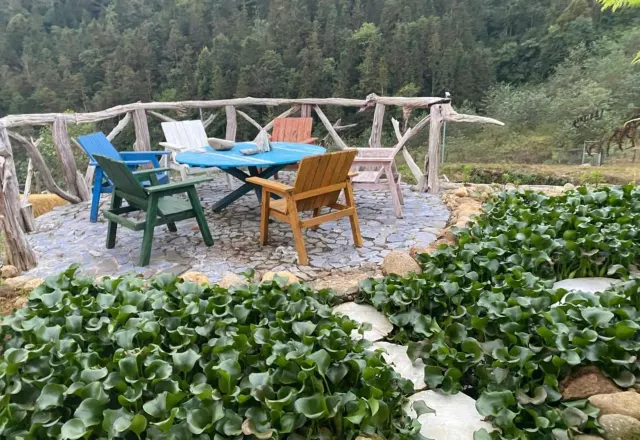
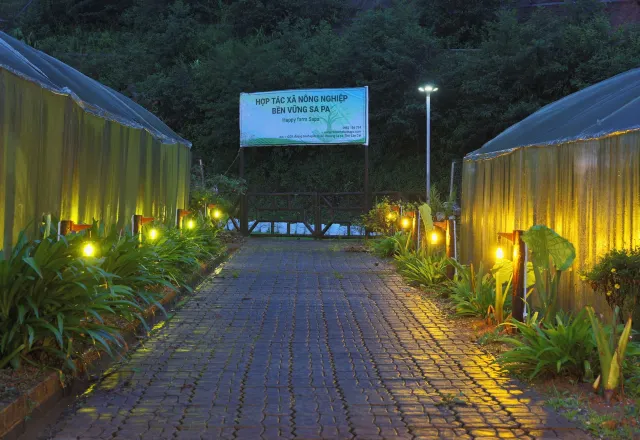
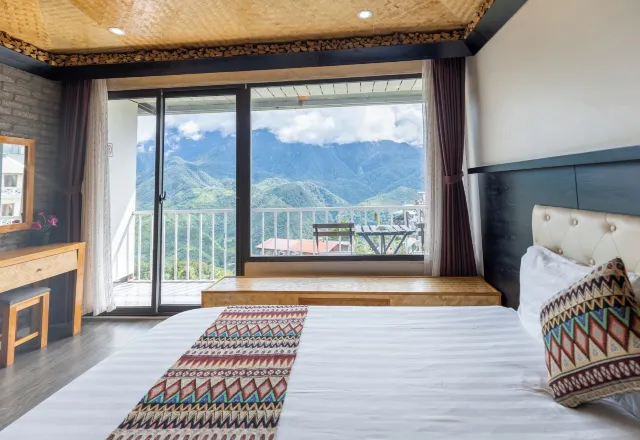
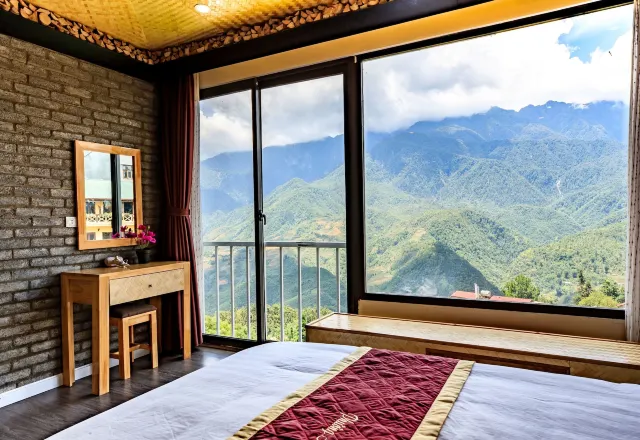
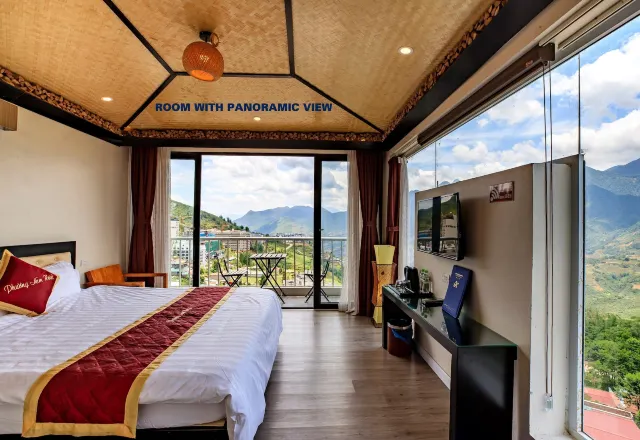
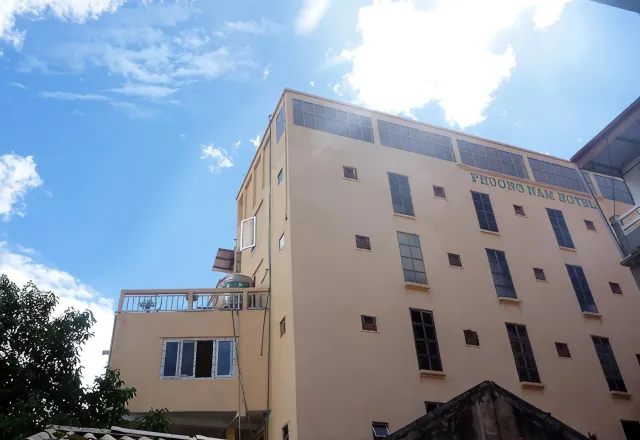
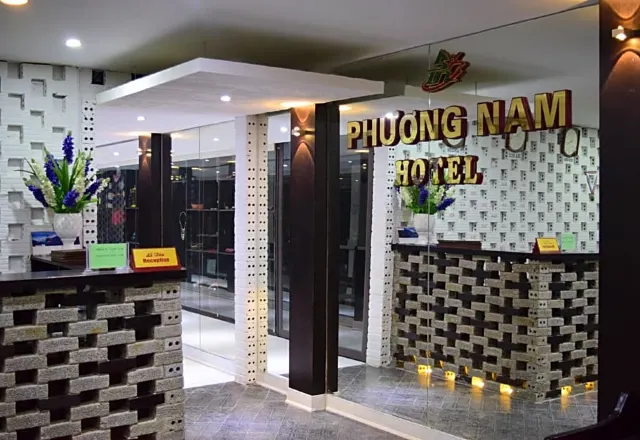
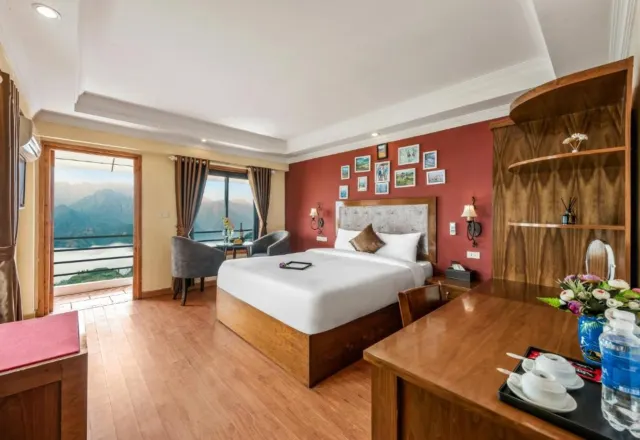
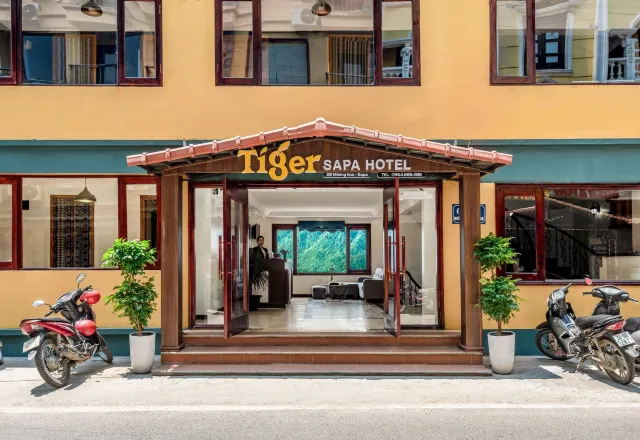
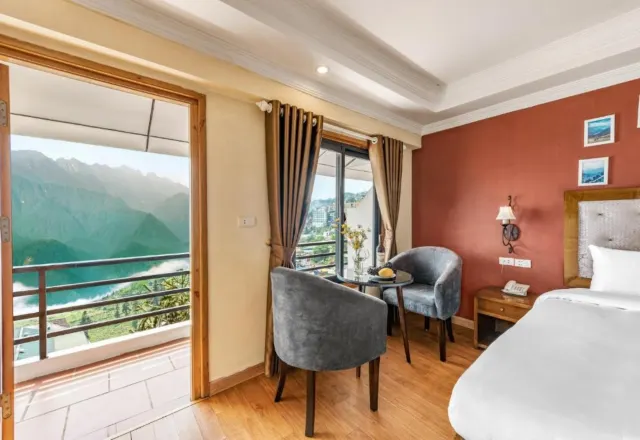
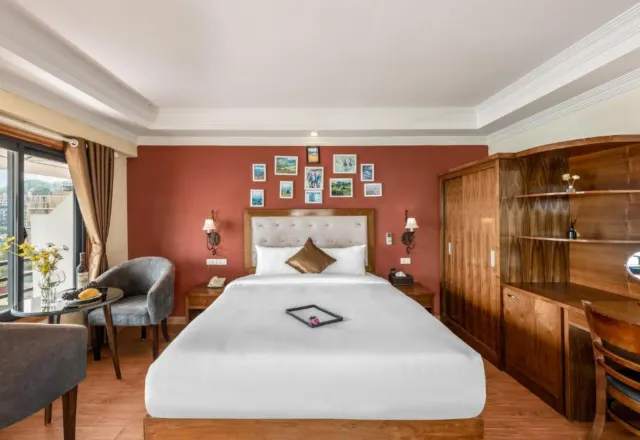
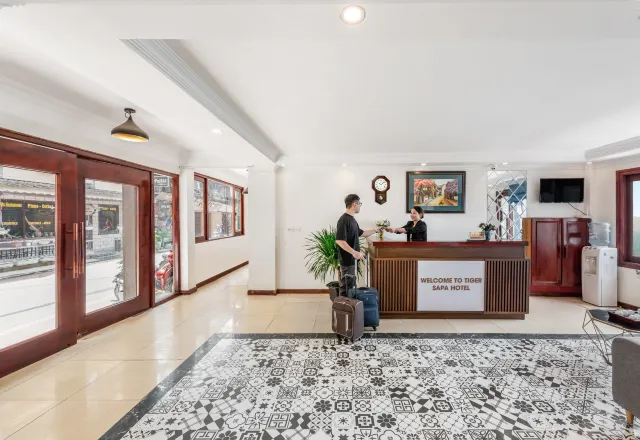
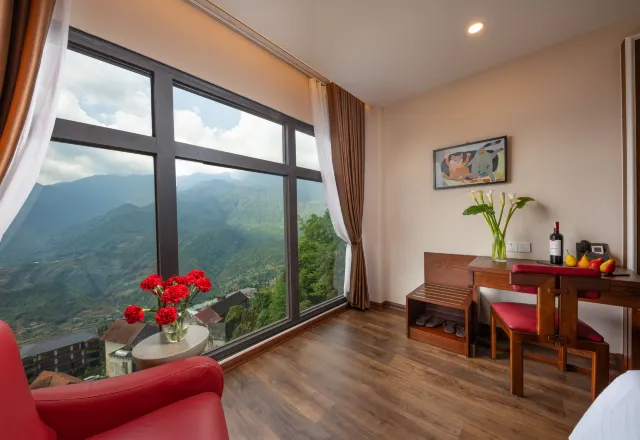
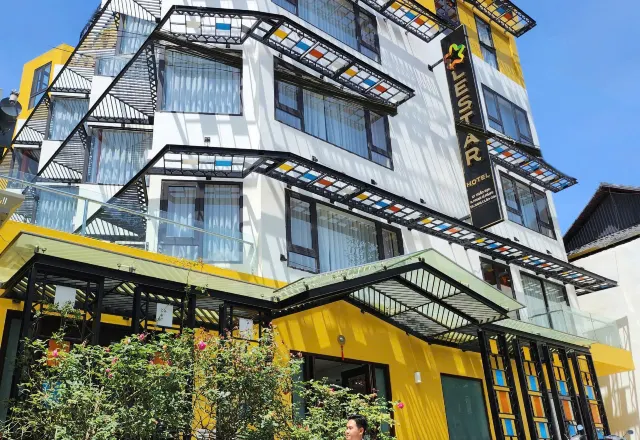
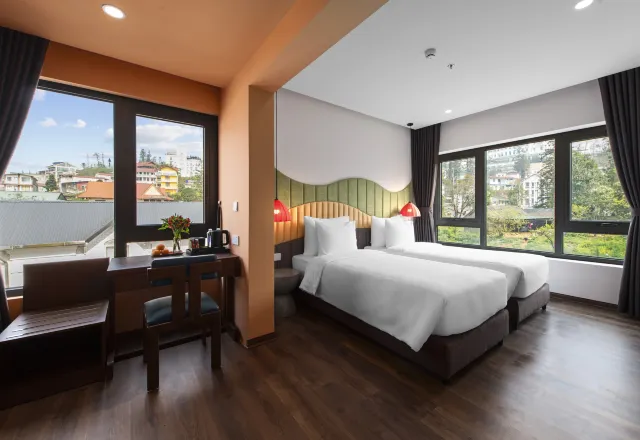
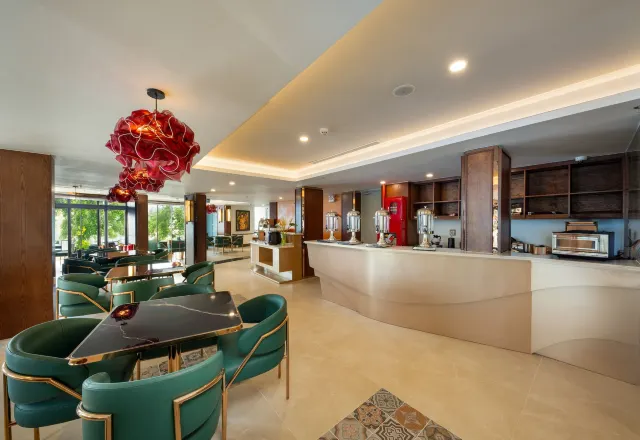
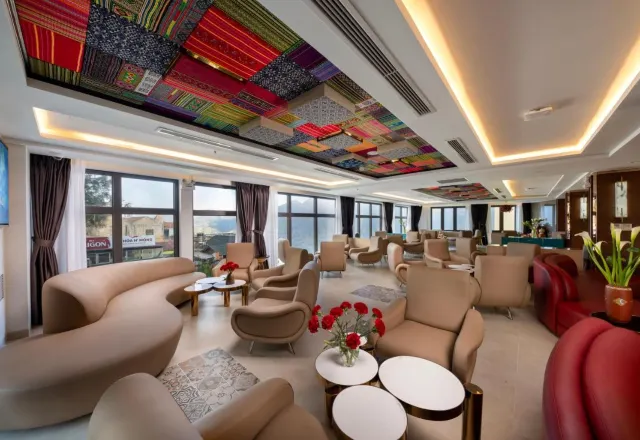
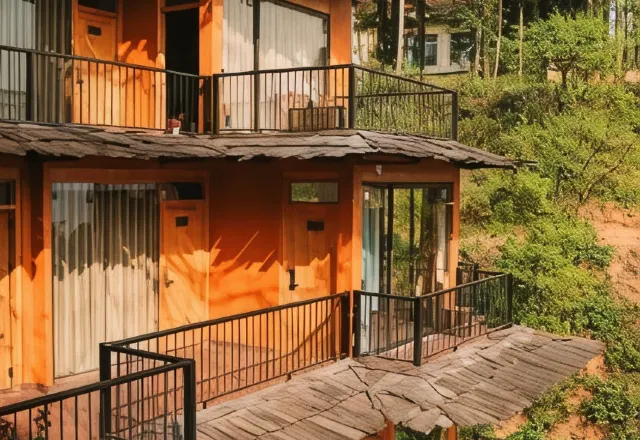
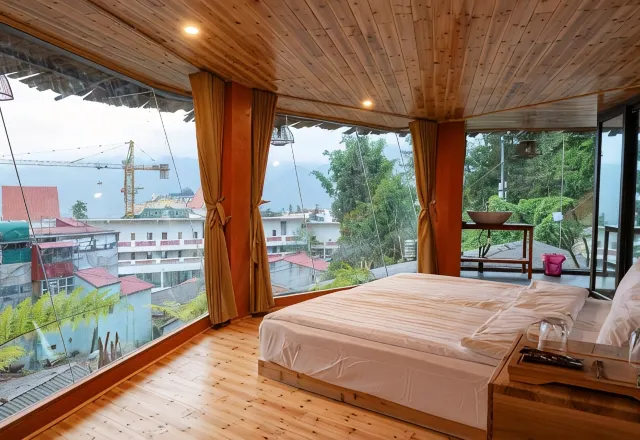
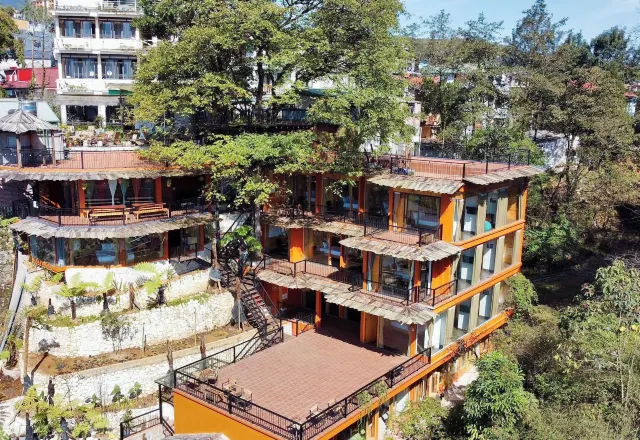
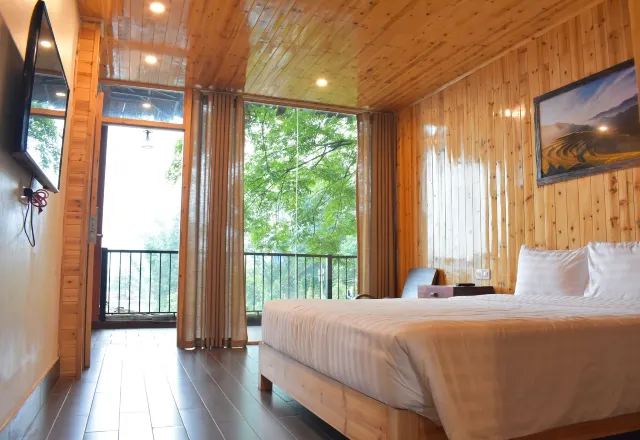
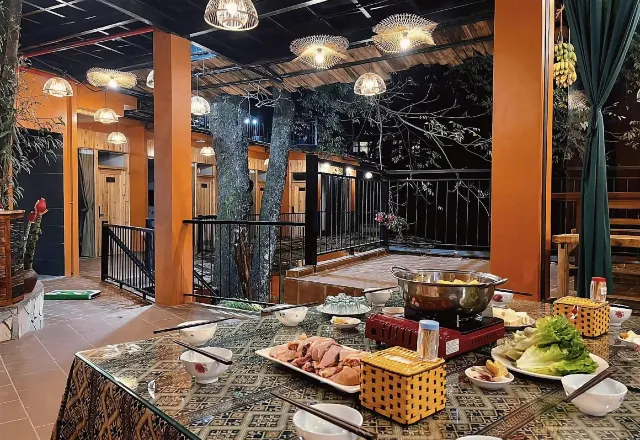
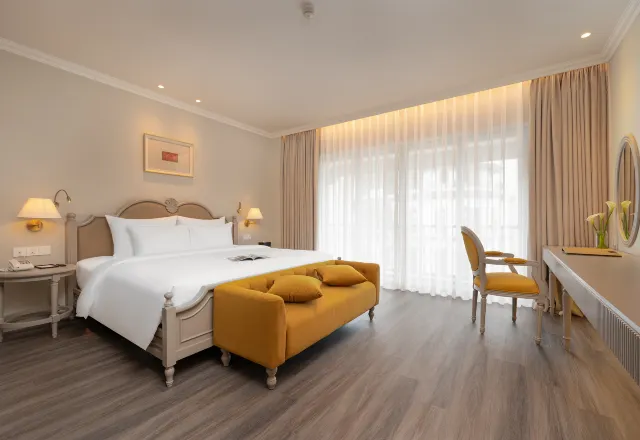
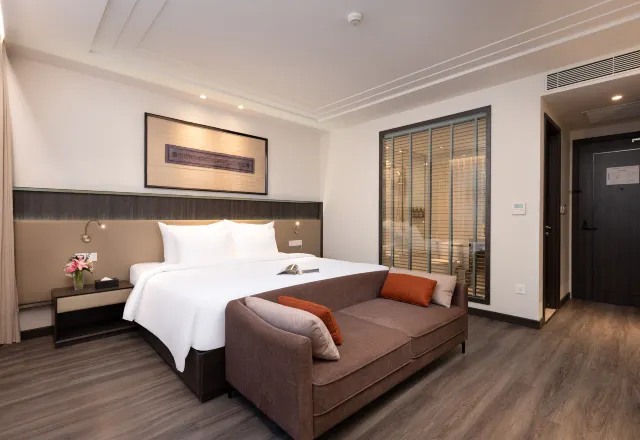
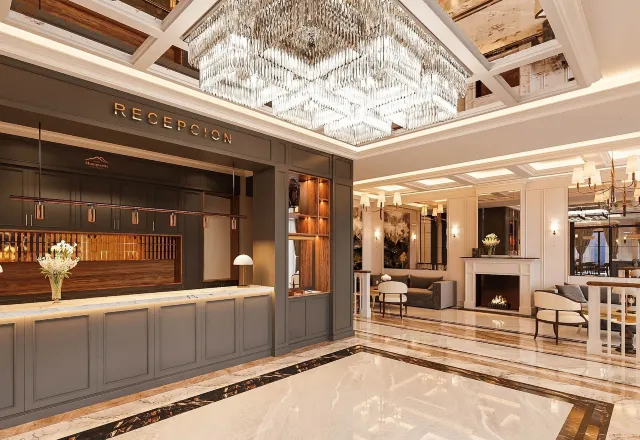
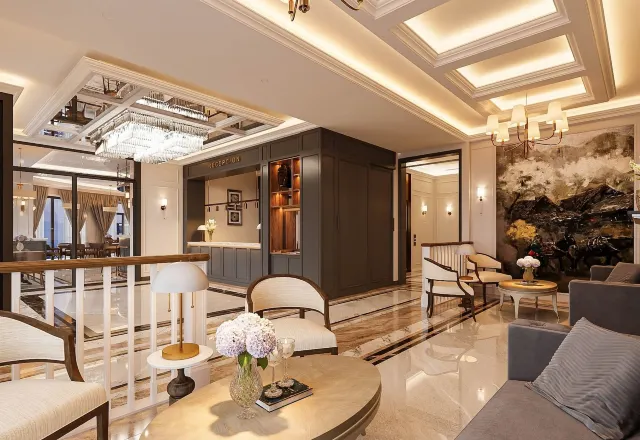
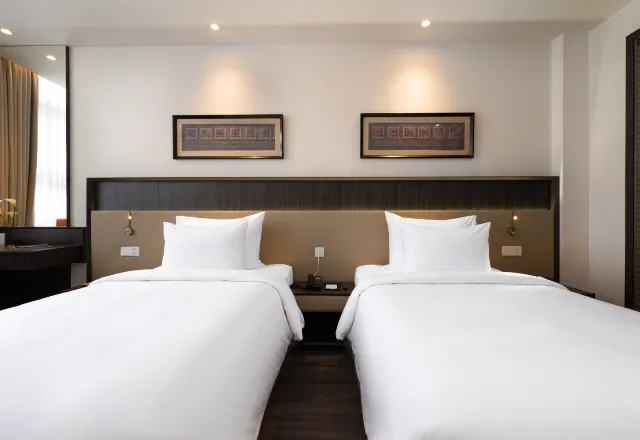
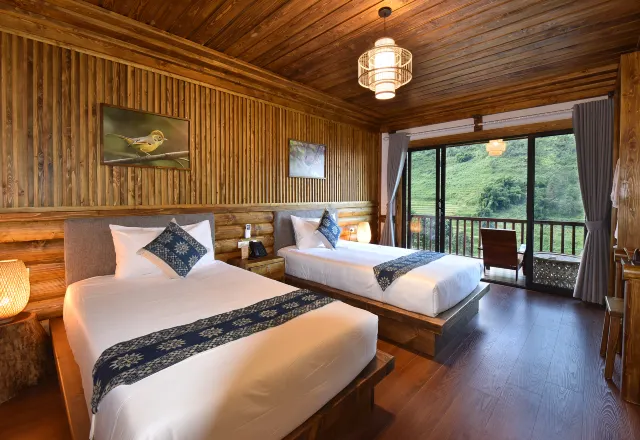
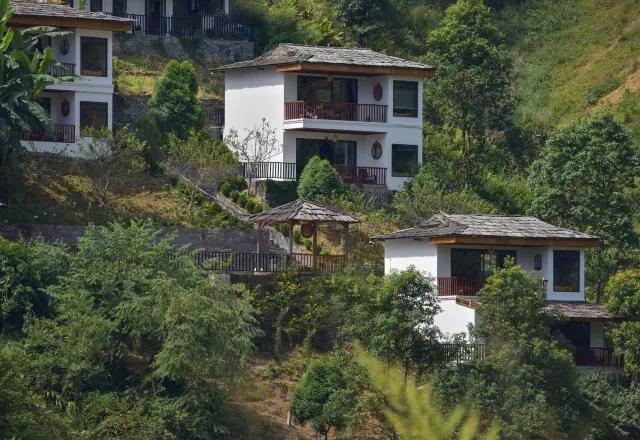
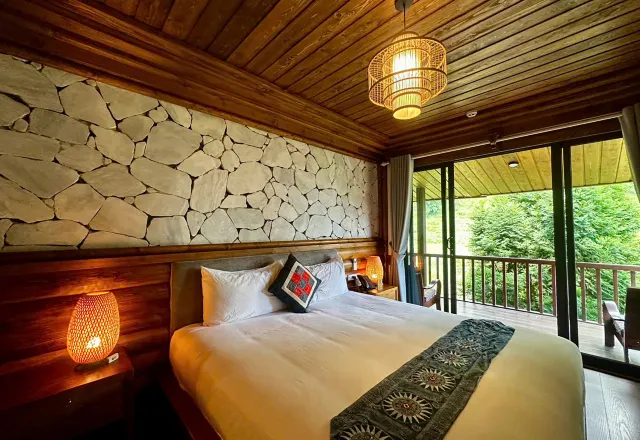
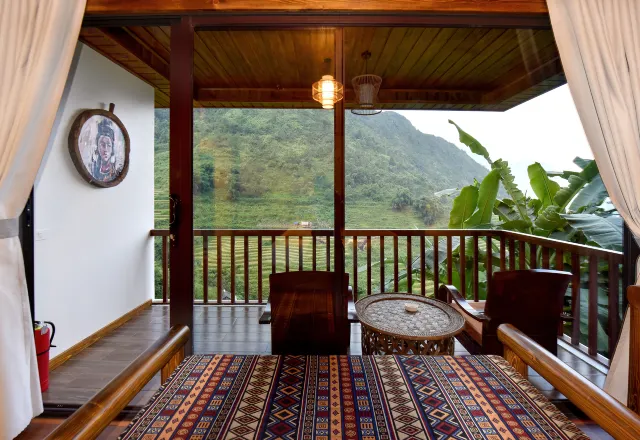
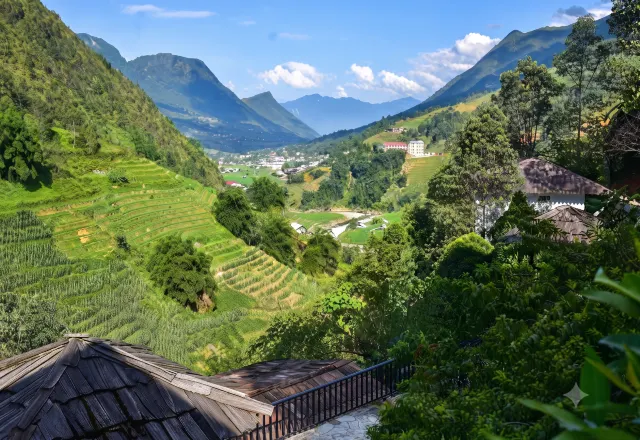
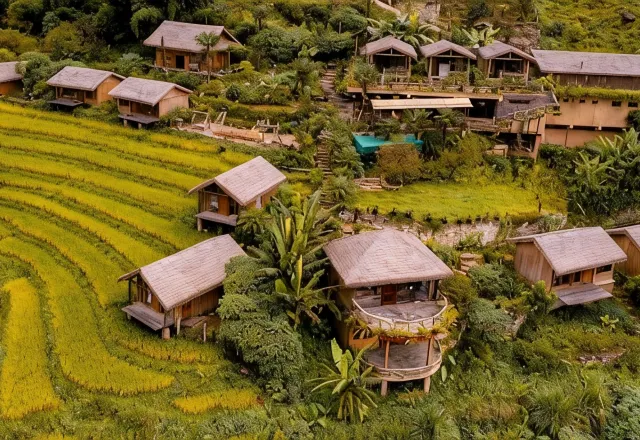
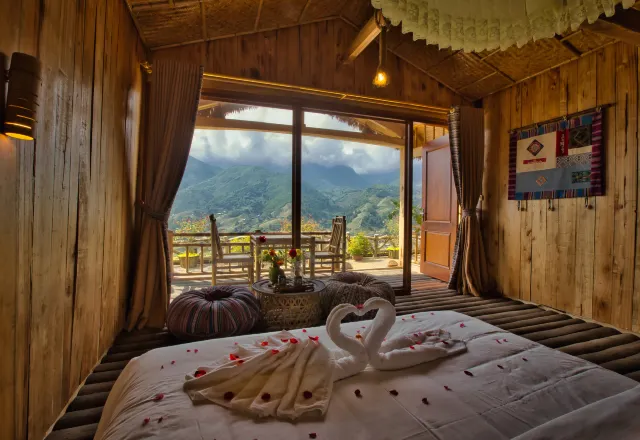
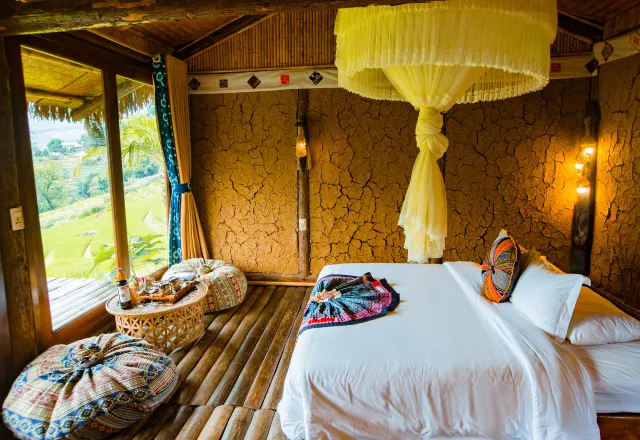
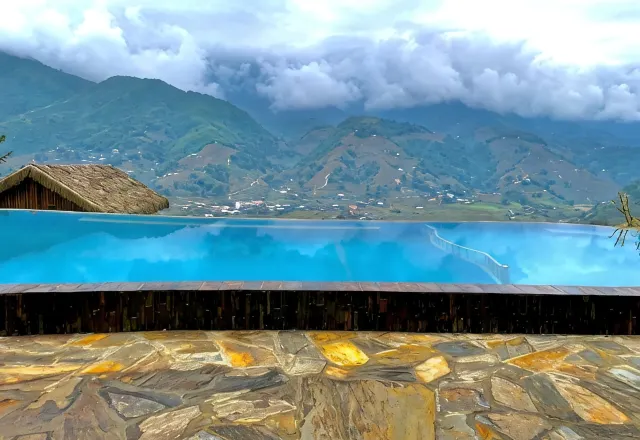
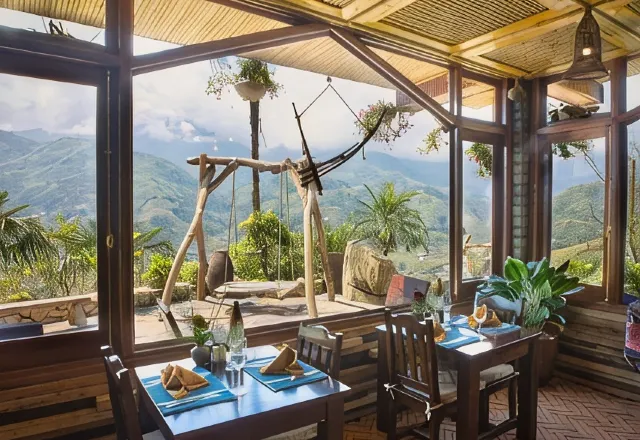
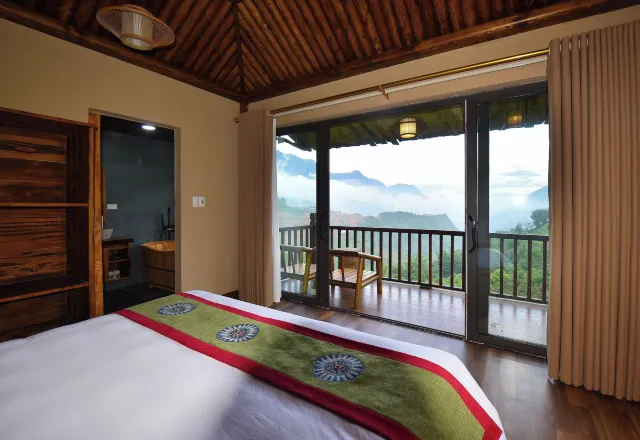
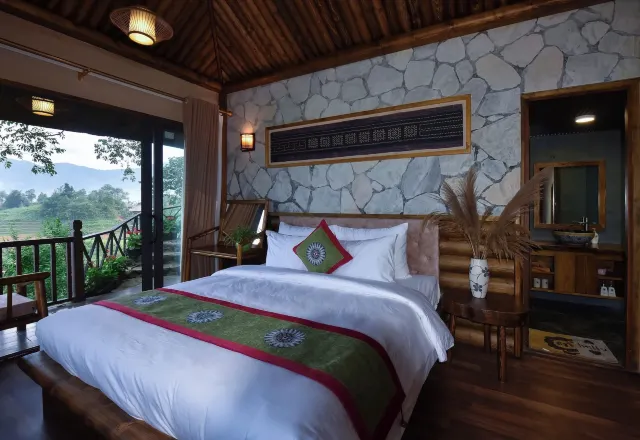
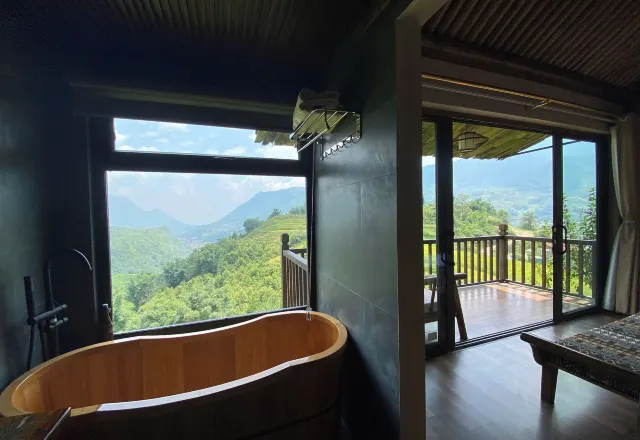
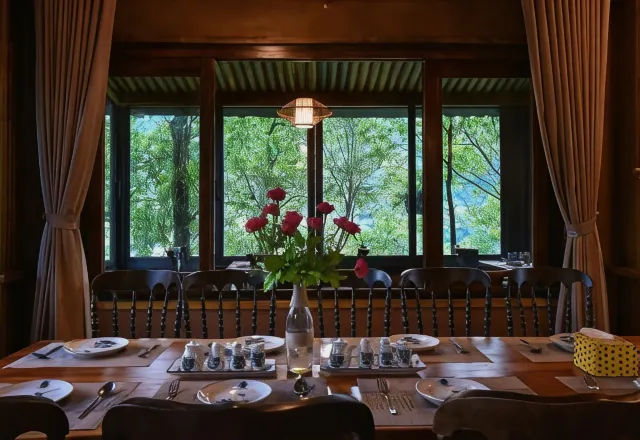
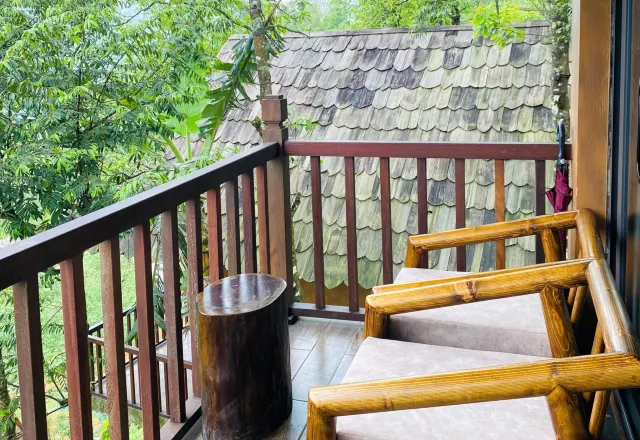
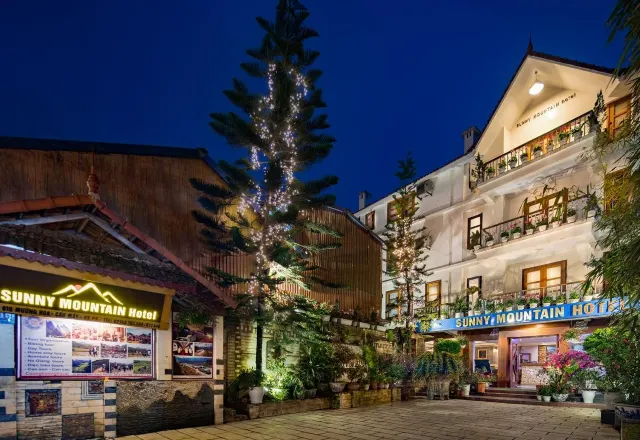
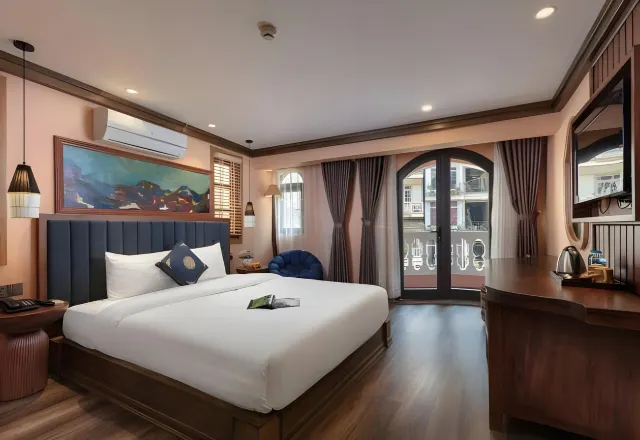
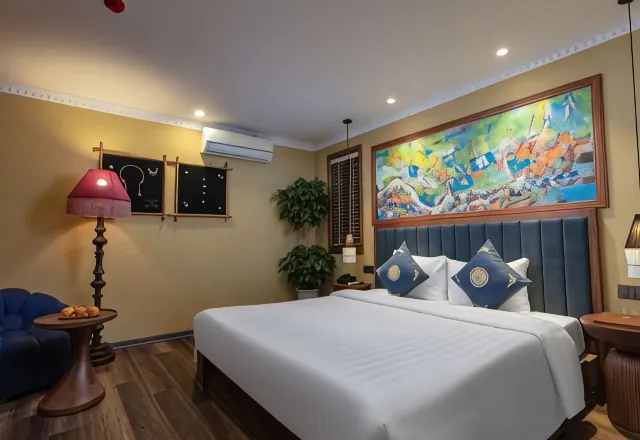
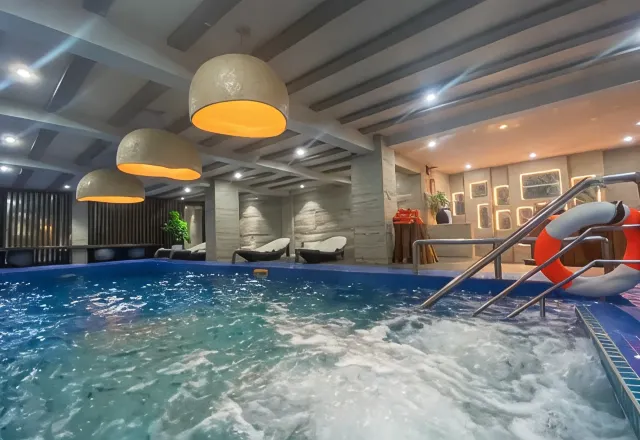
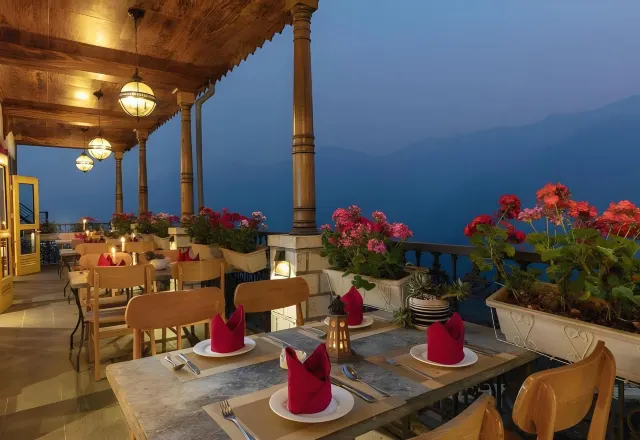
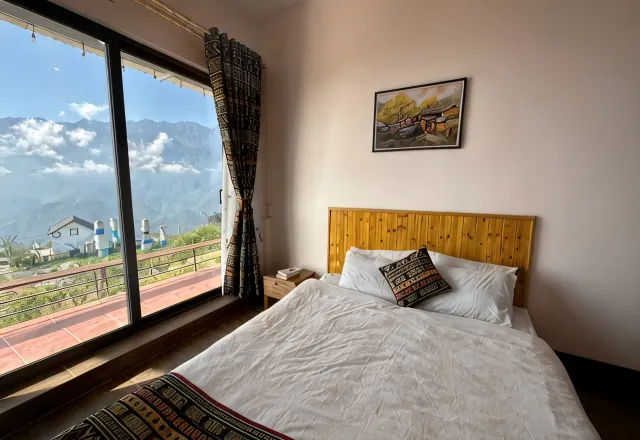
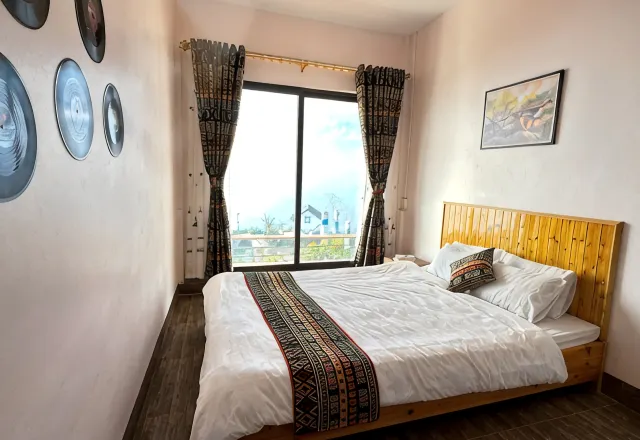
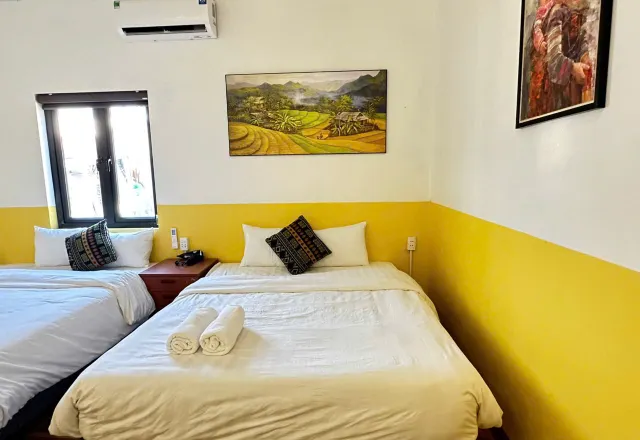
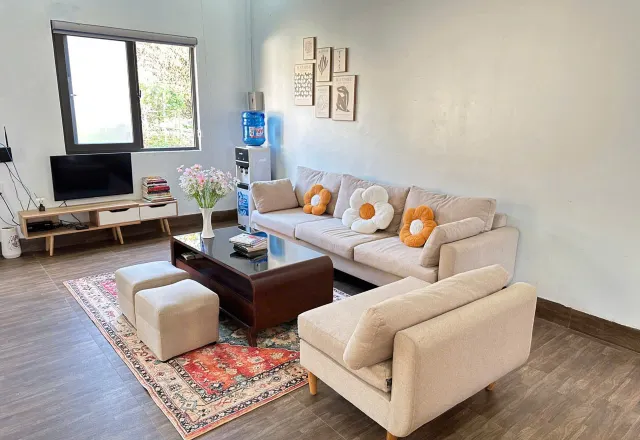
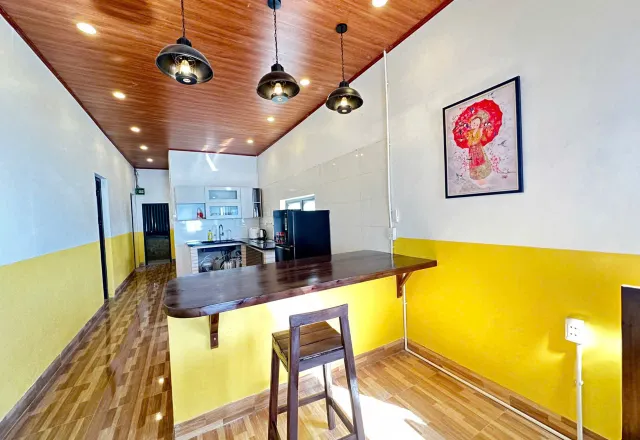
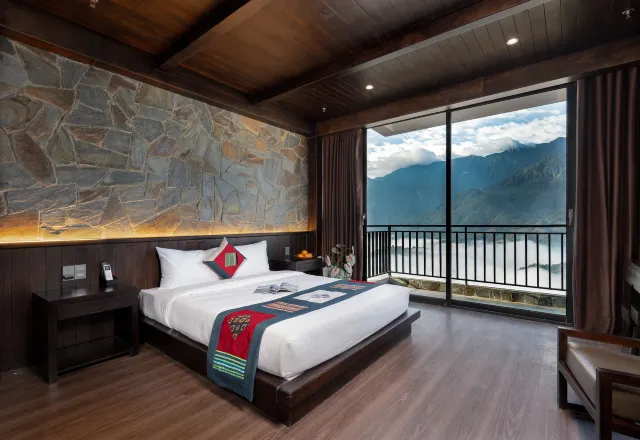
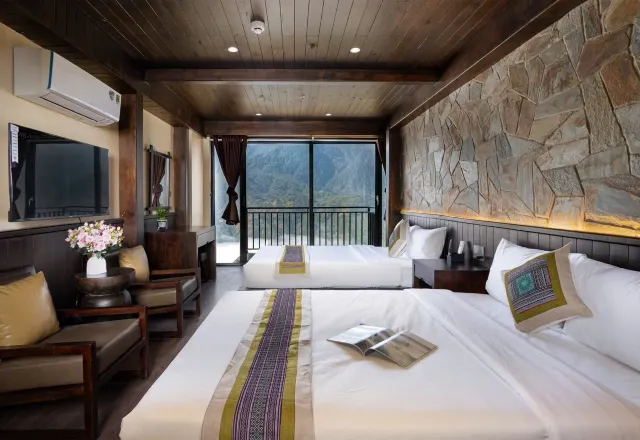
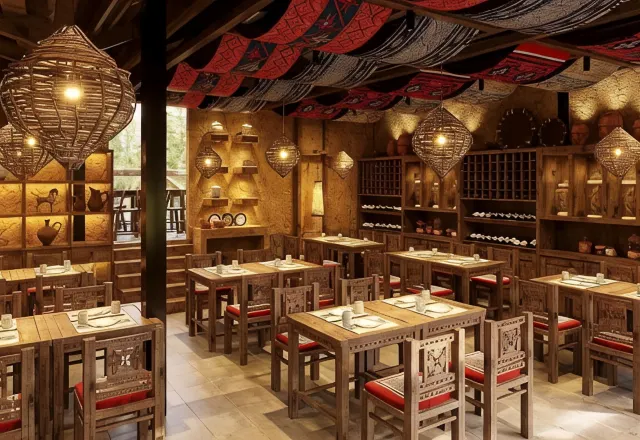
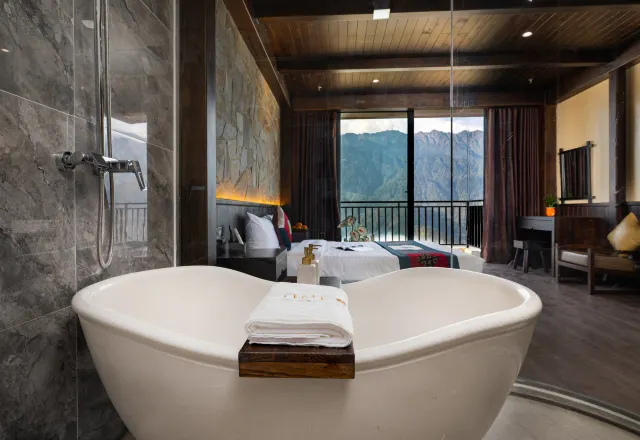
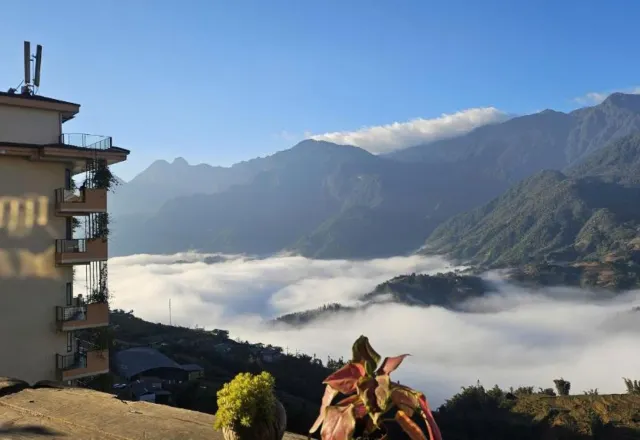
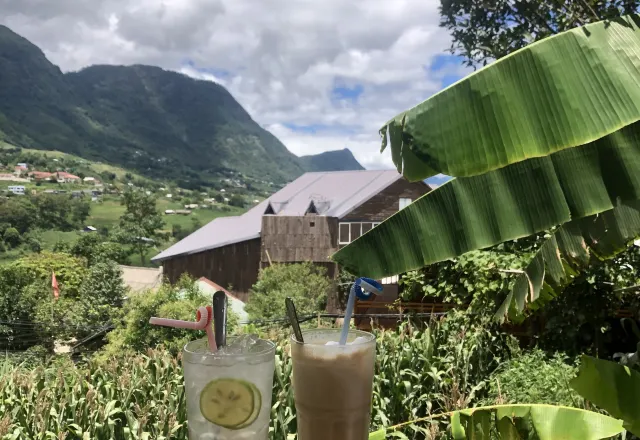
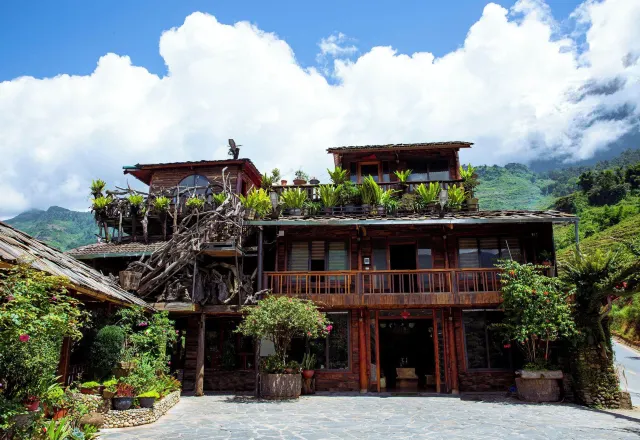
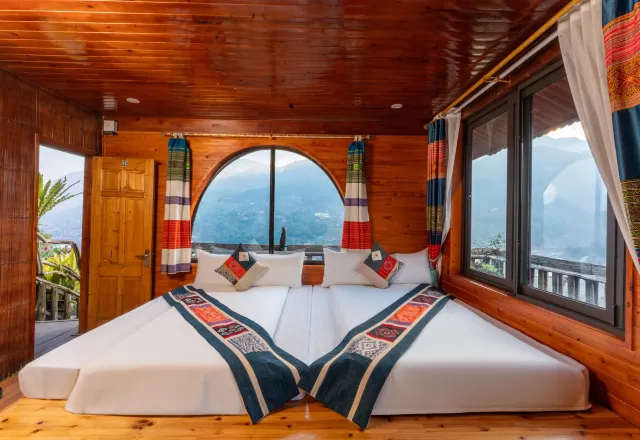
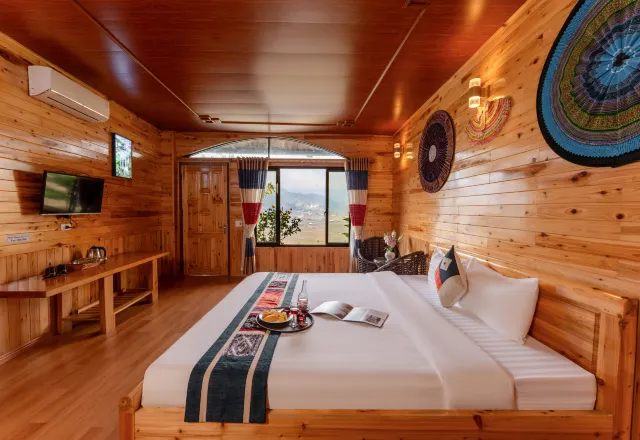
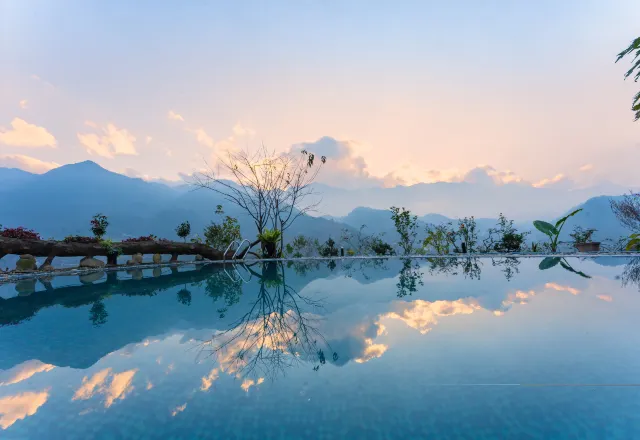
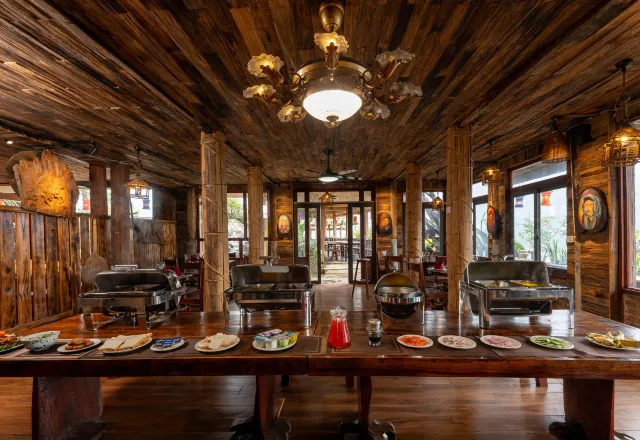
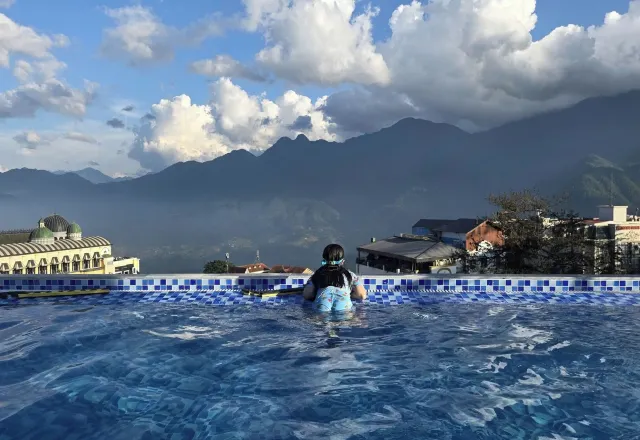
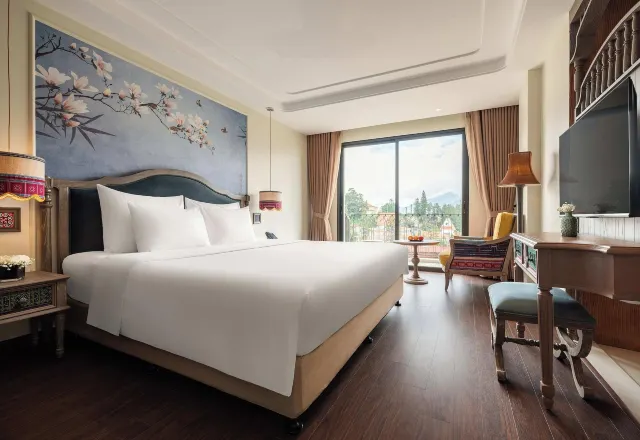
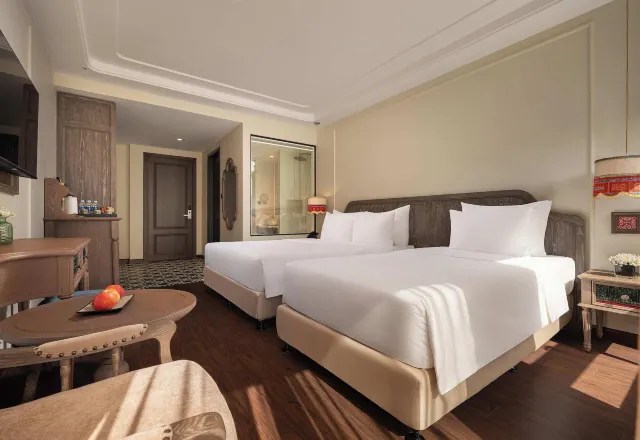
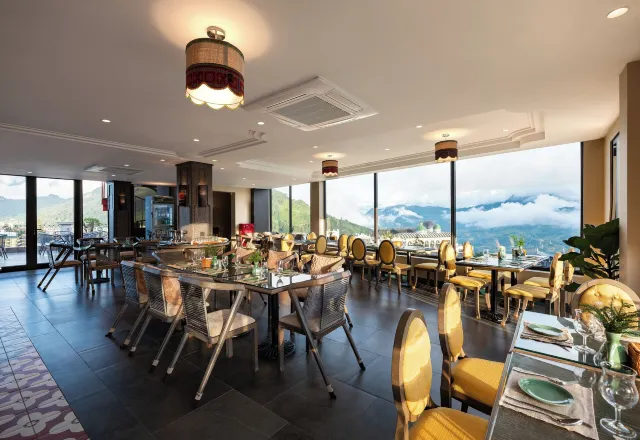
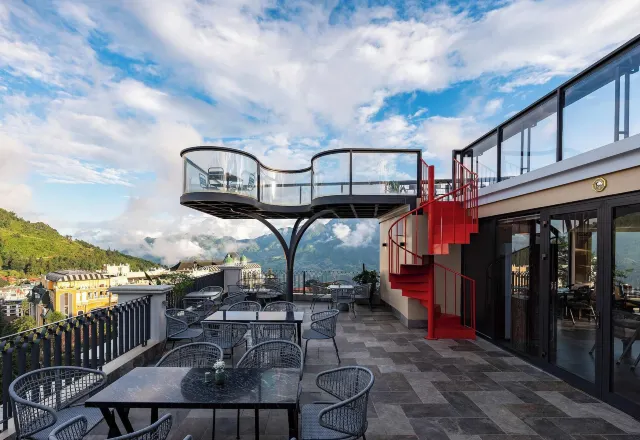
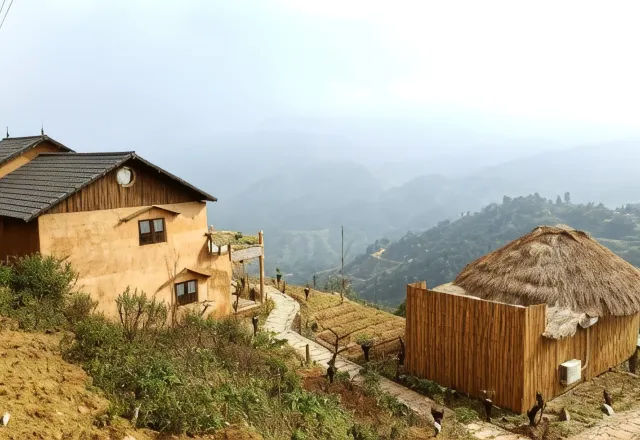
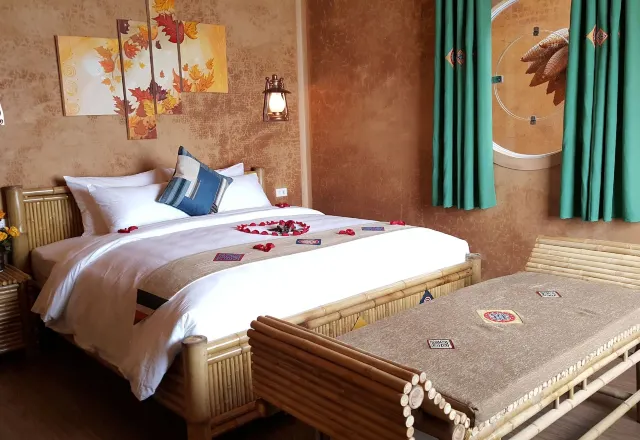
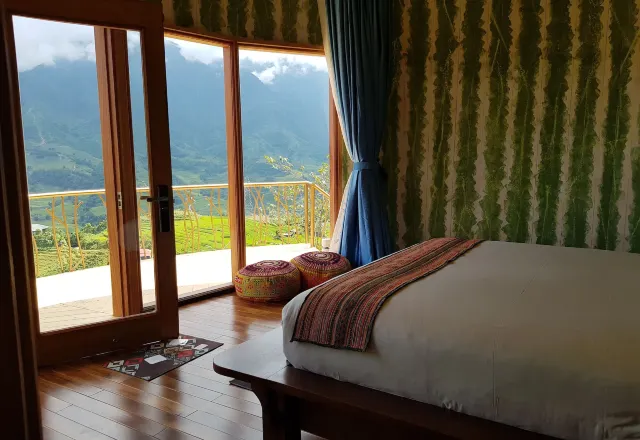
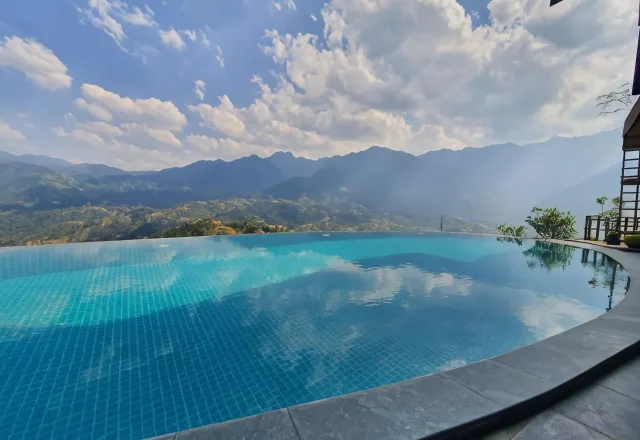
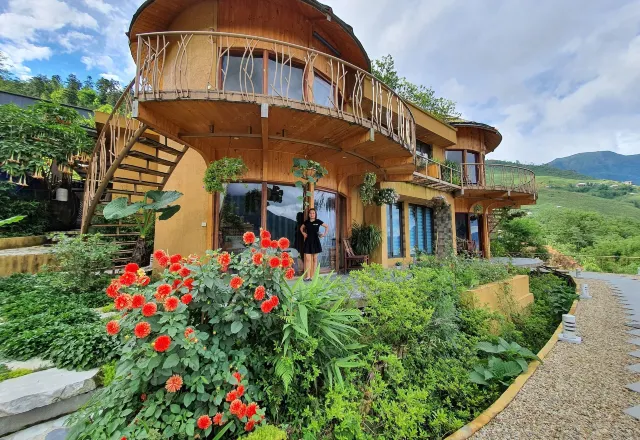
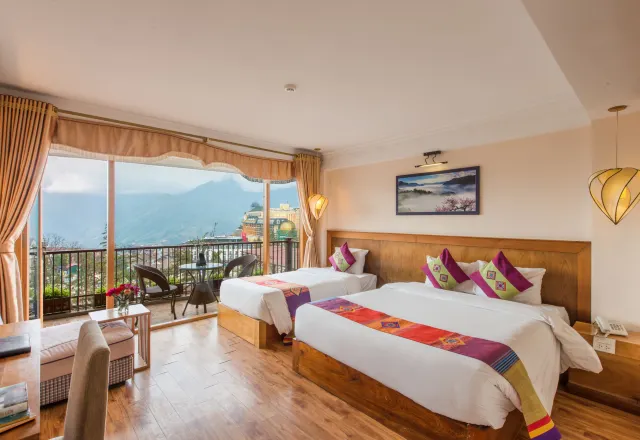
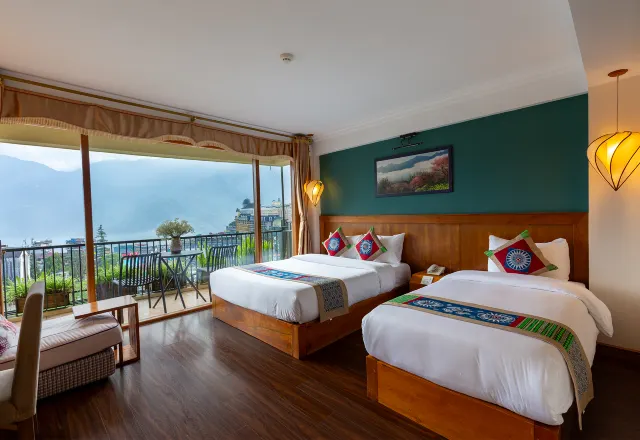
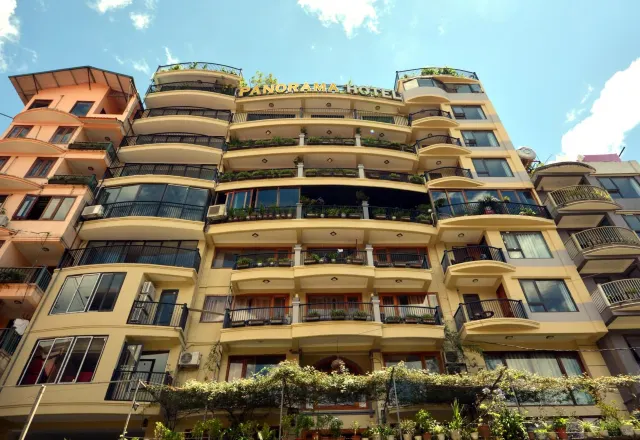
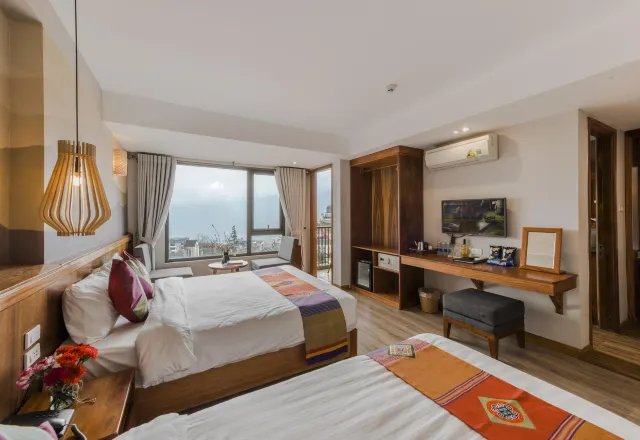
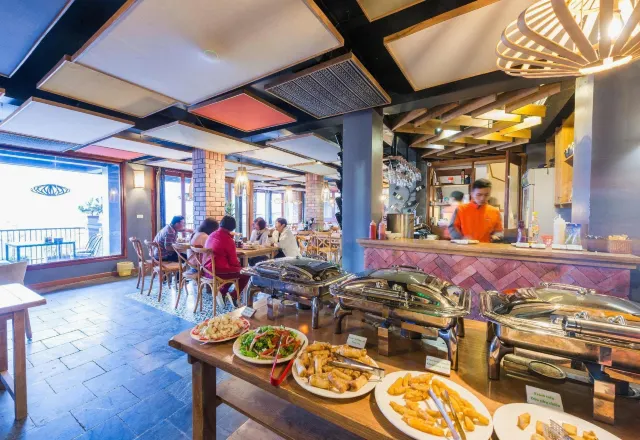
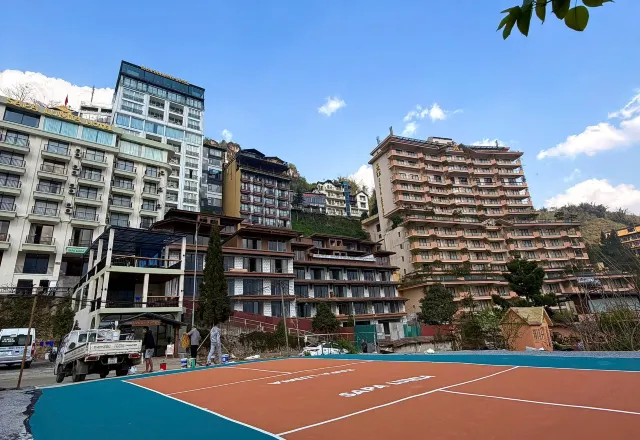
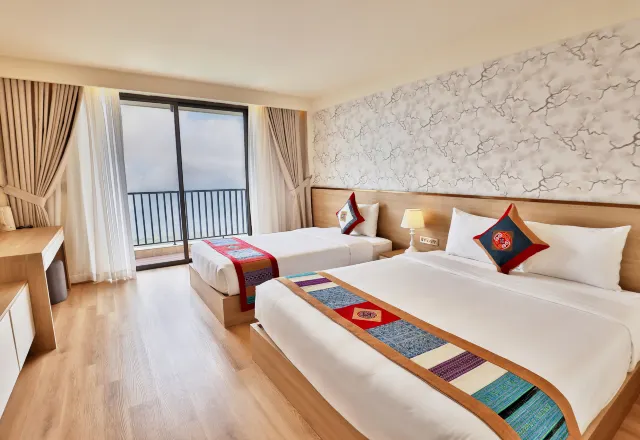
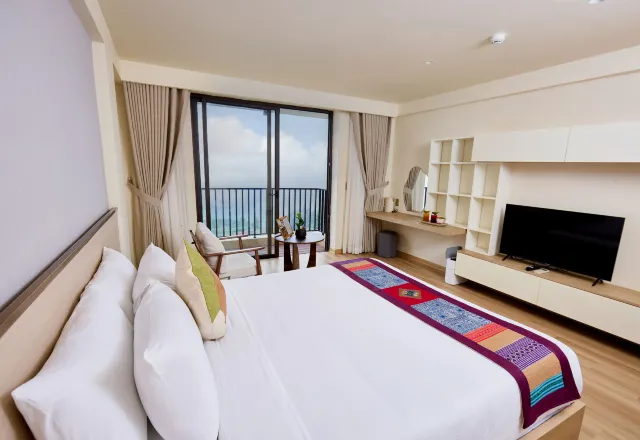
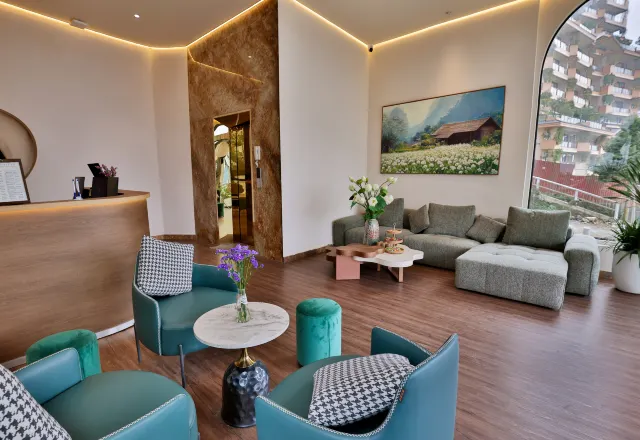
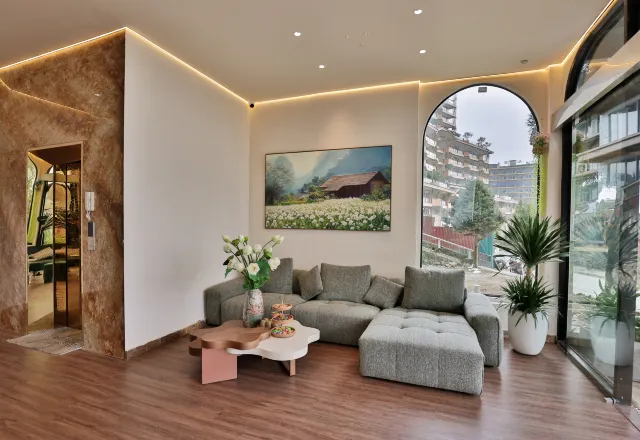
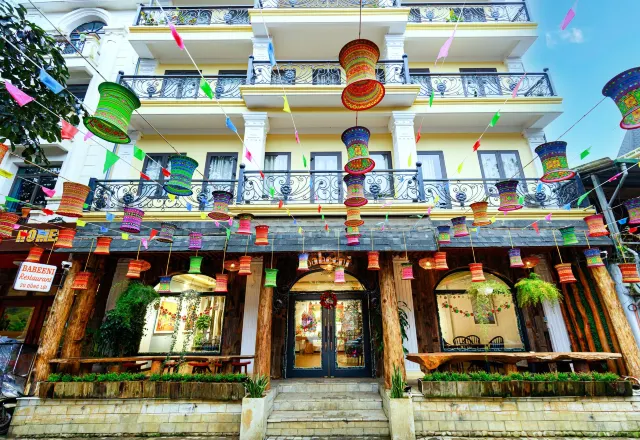
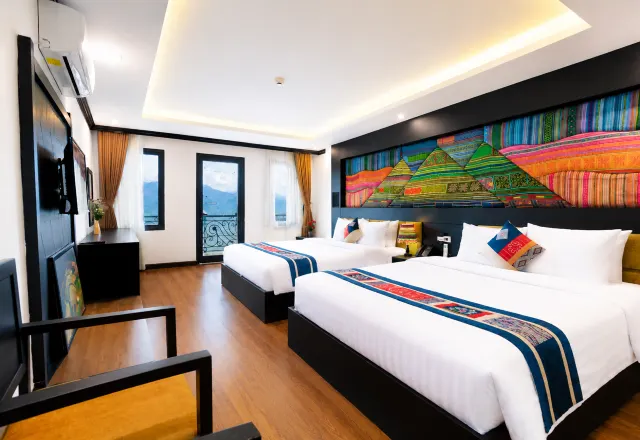
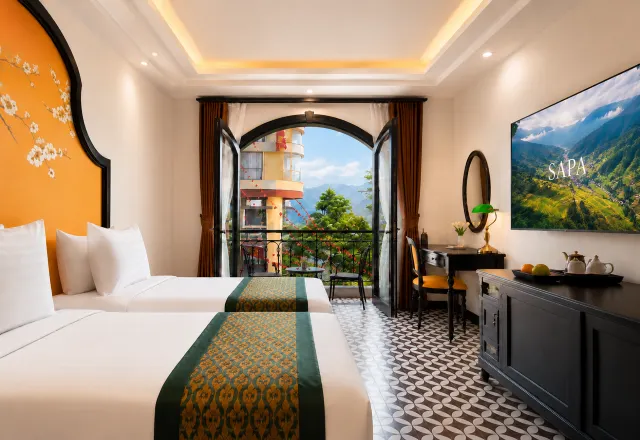
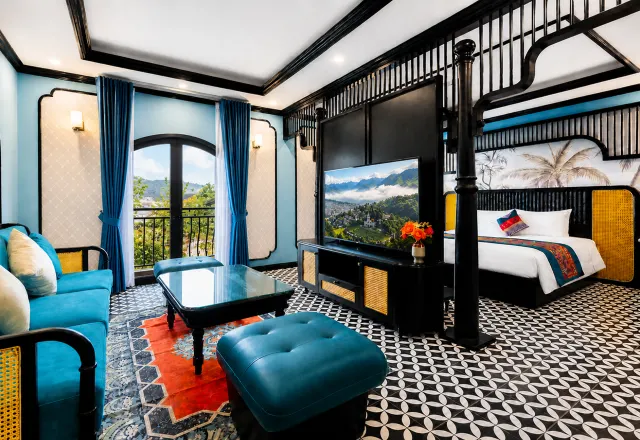
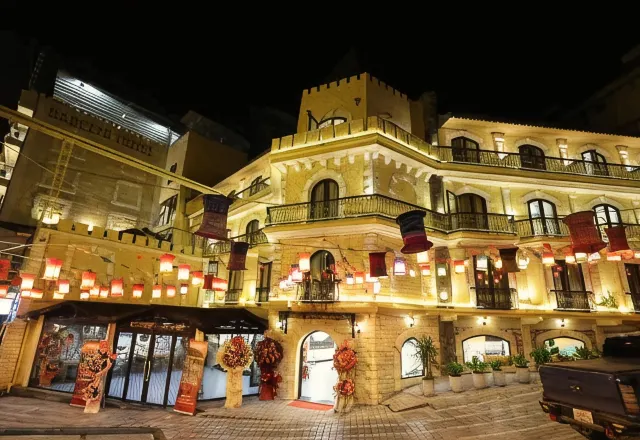
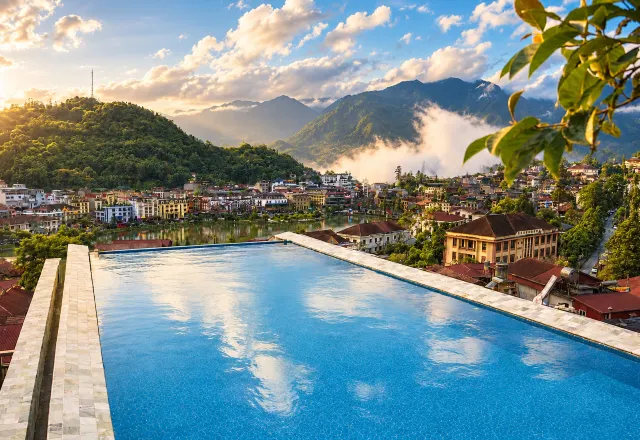
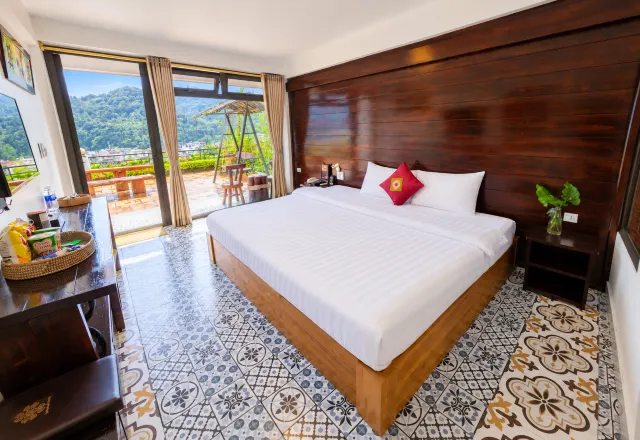
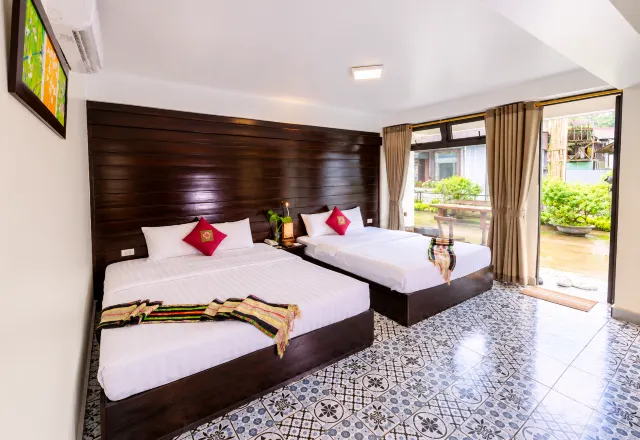
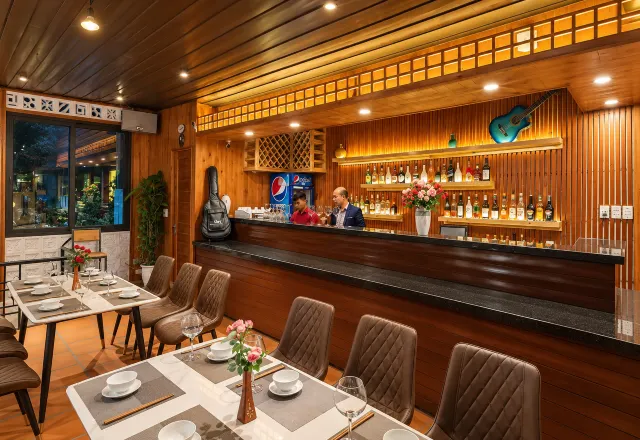
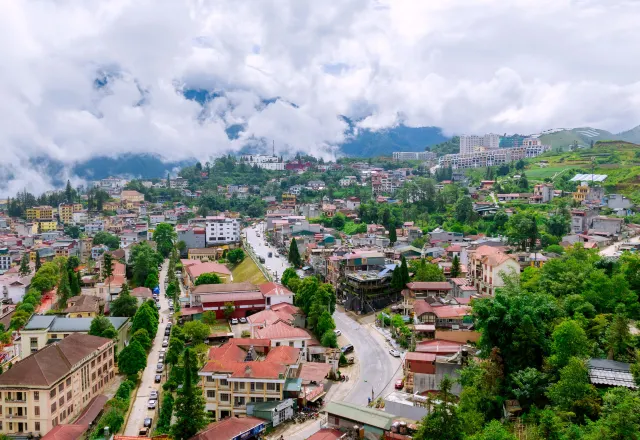
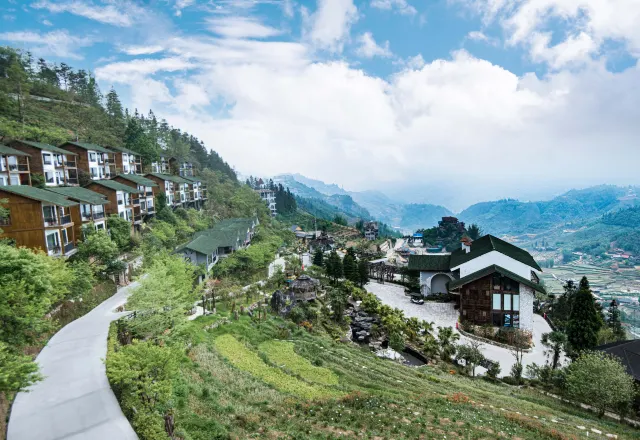
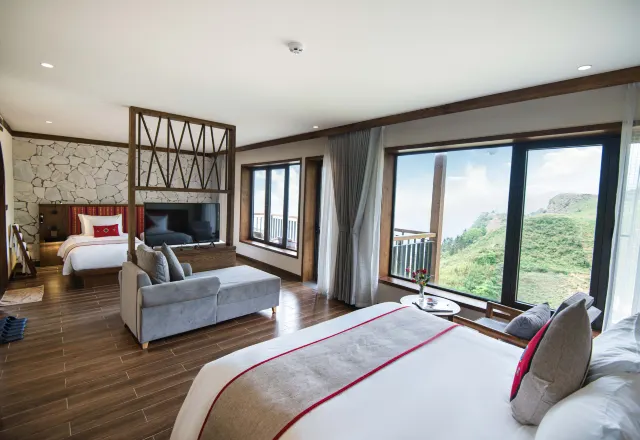
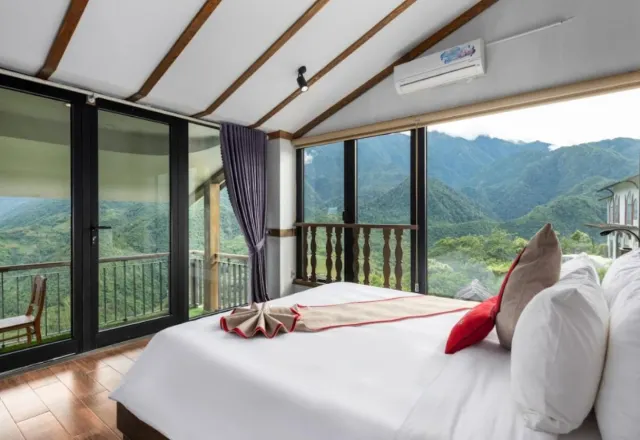
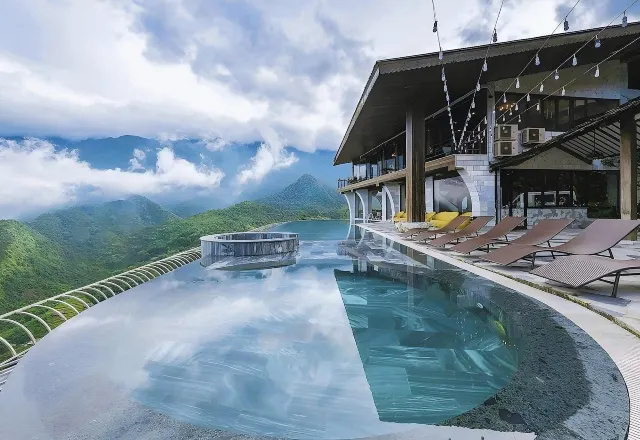
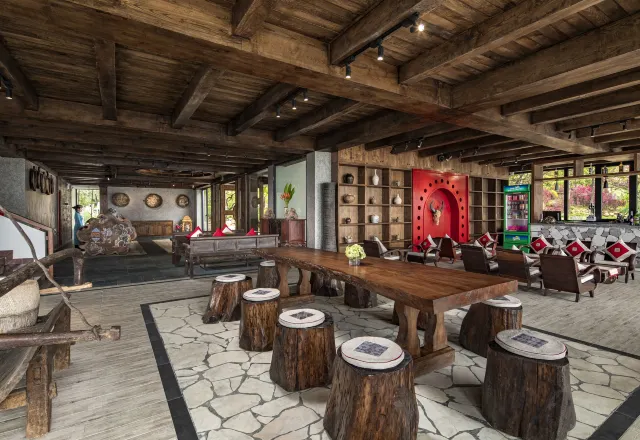
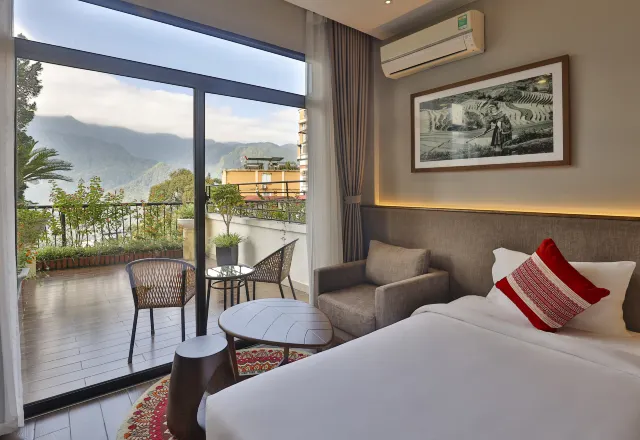
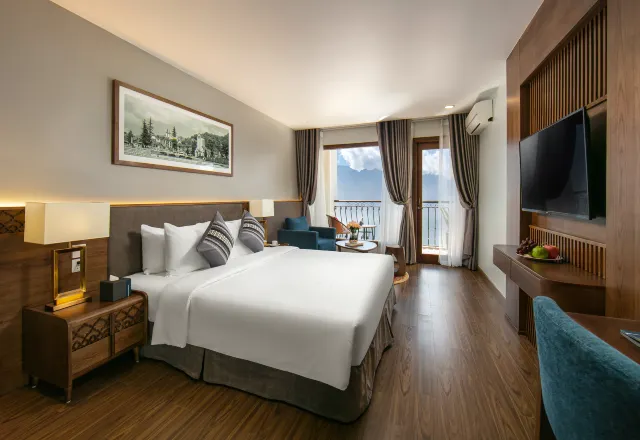
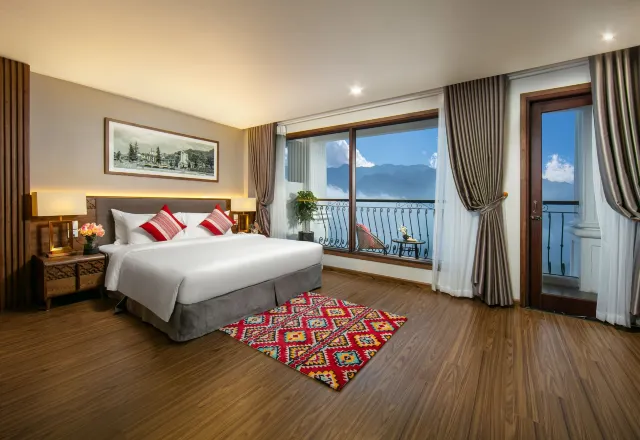
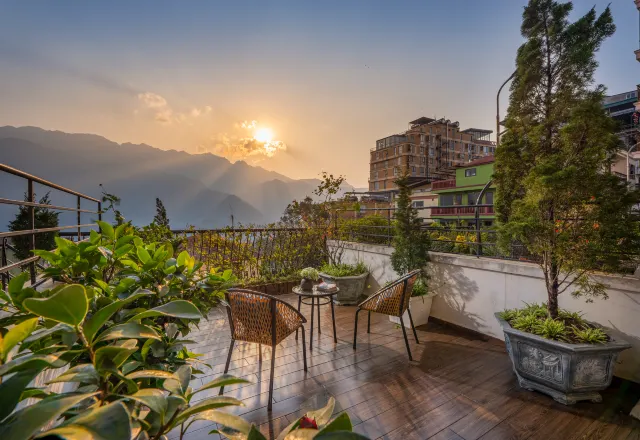
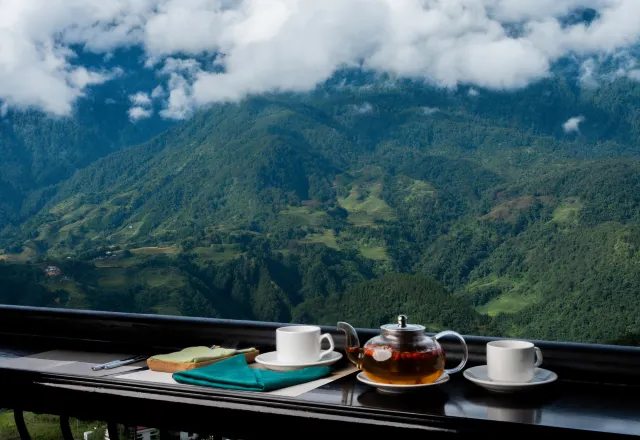
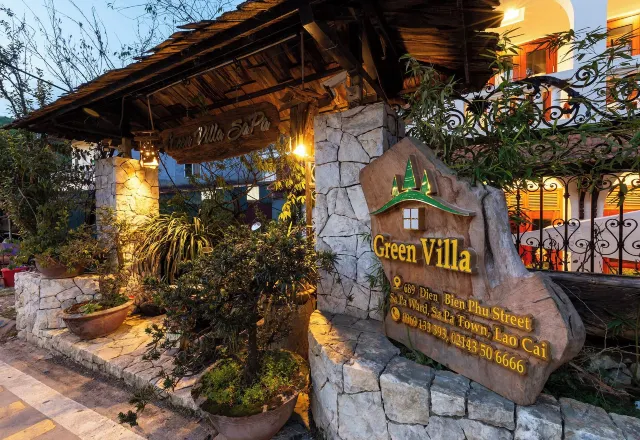
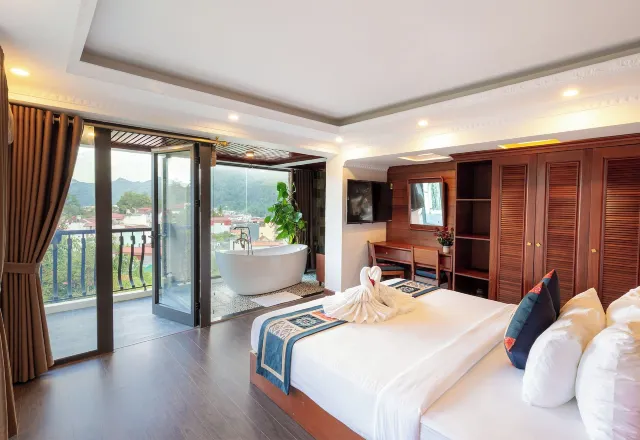
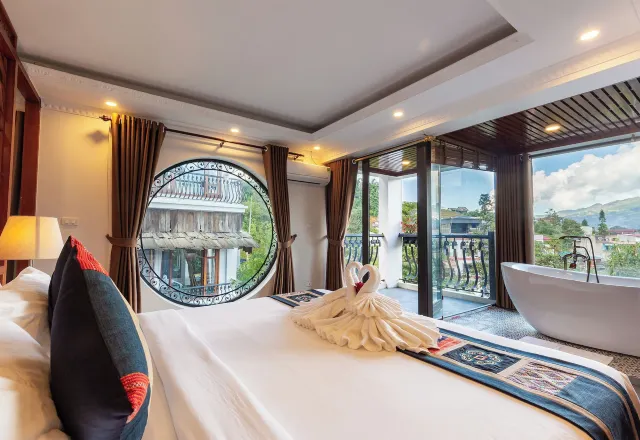
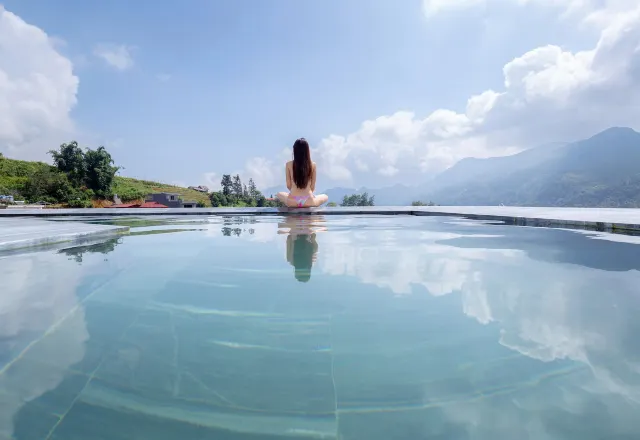
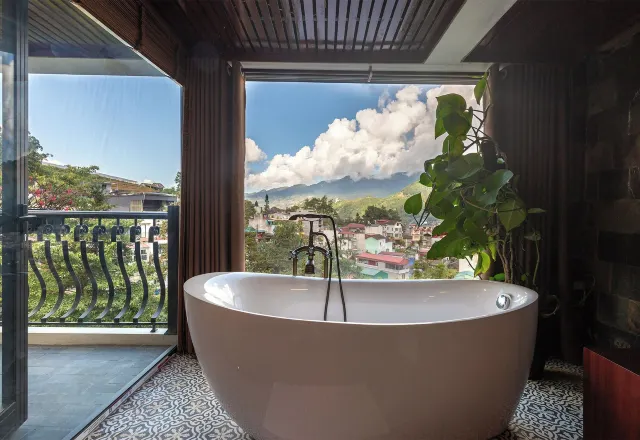
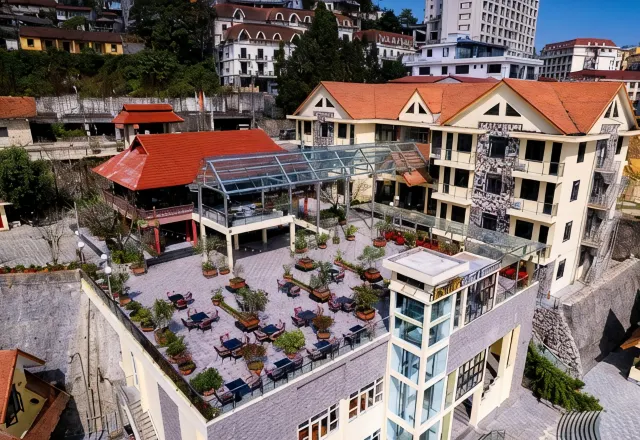
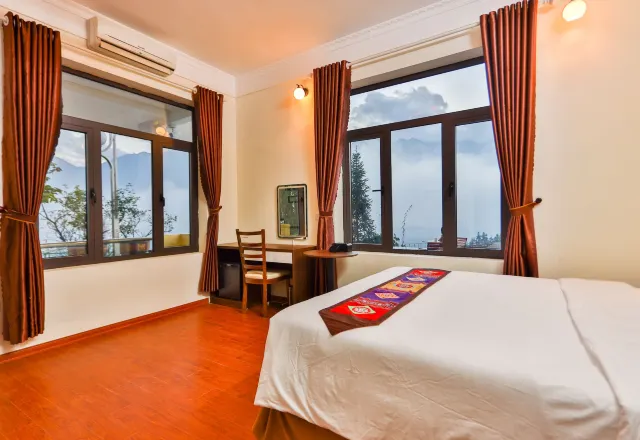
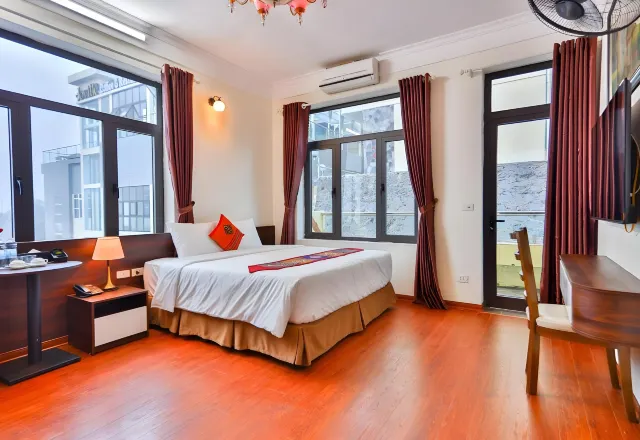
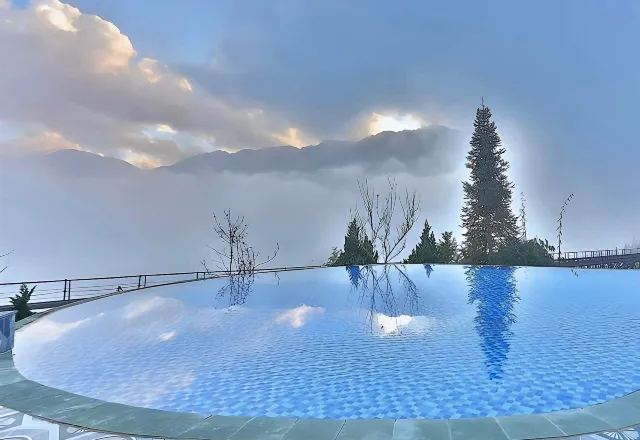
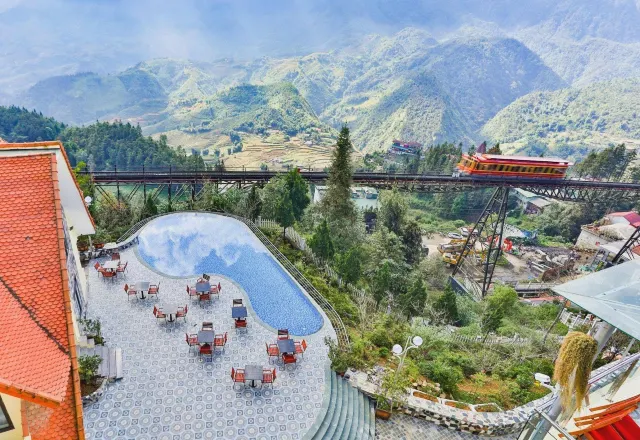
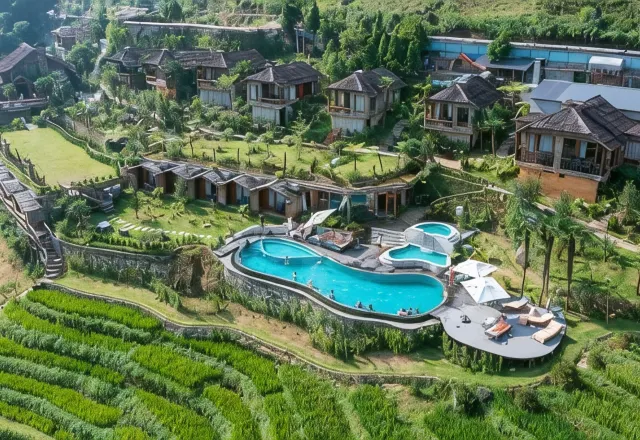
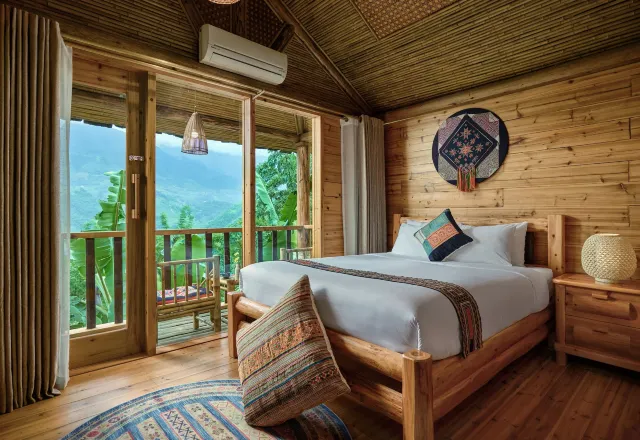
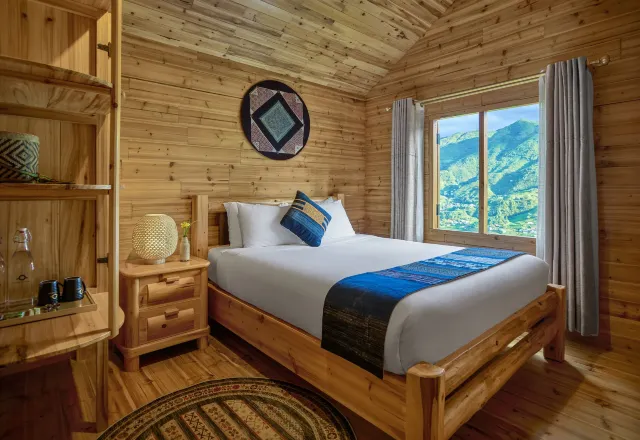
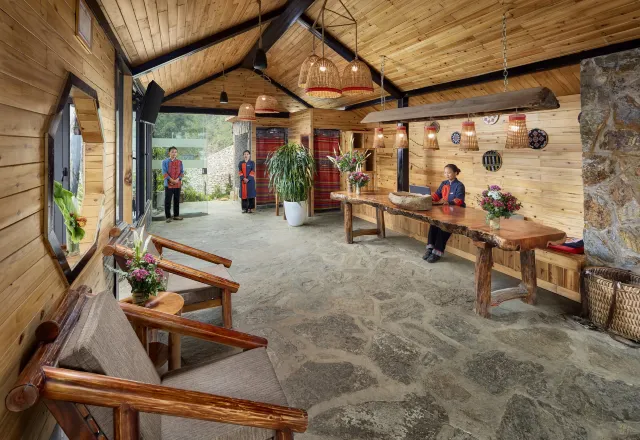
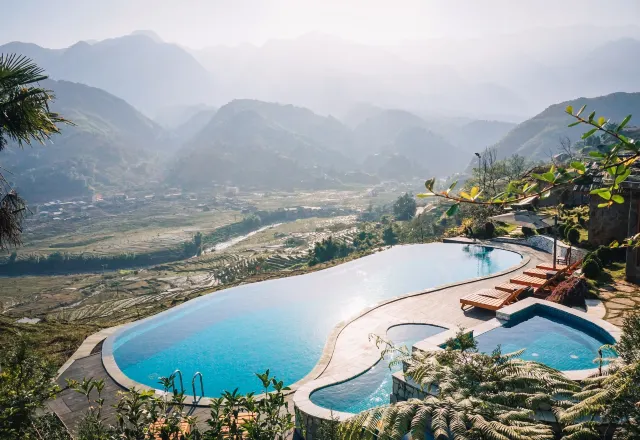
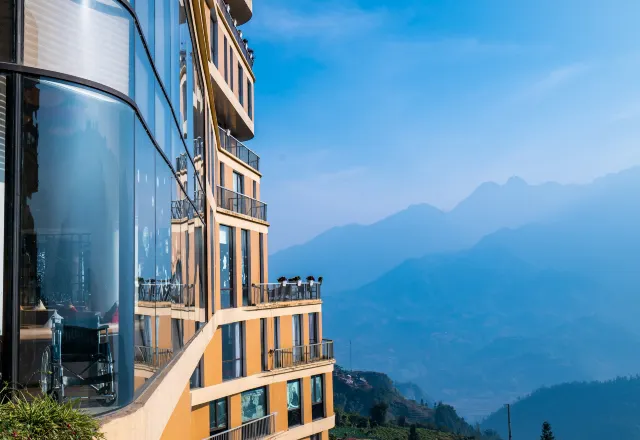
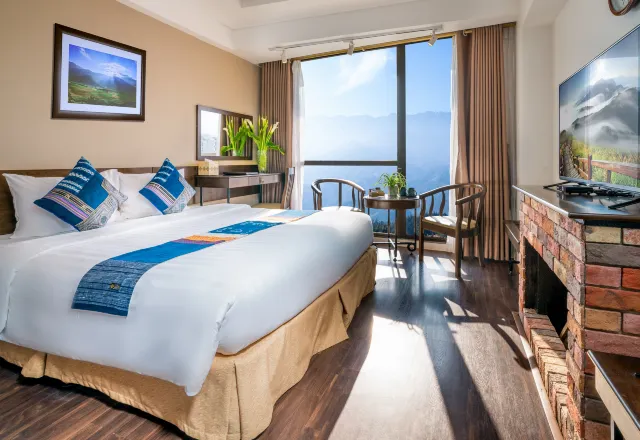
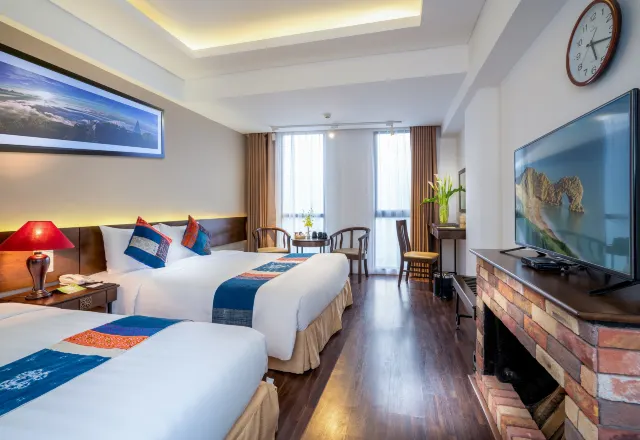
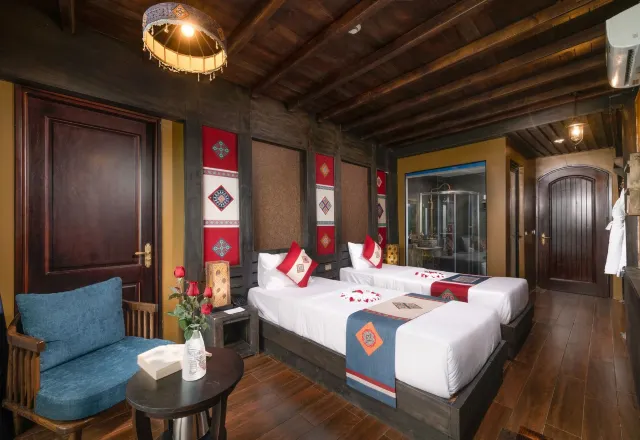
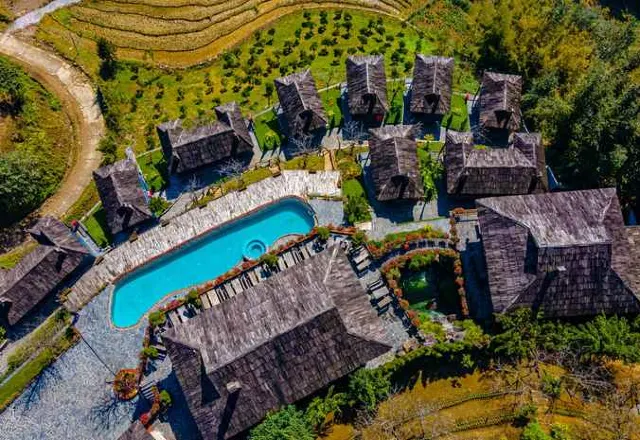
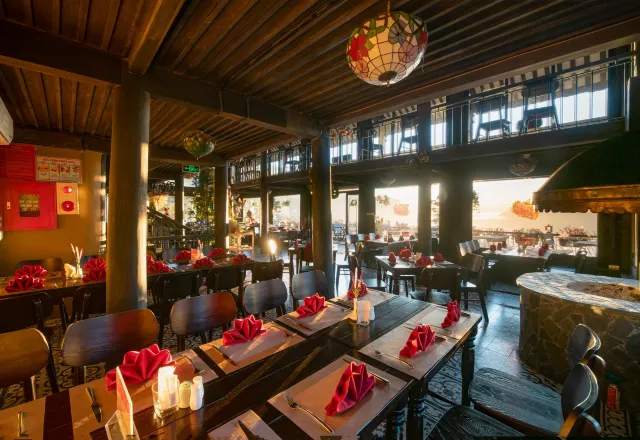
The first thing to decide when choosing a hotel in Sapa is where. Places to stay sit in three kinds of spot: the town centre around Sapa square, quieter resorts on the hillsides just out of town, and the homestays and ecolodges in the villages of the Muong Hoa valley, among the rice terraces. Where you stay changes your way up Fansipan, your dinner and your view. Here is what first-time visitors usually want to know when choosing where to stay in Sapa.
Where to stay in Sapa: town, Cat Cat, the outskirts or the valley villages
| Area | From Sapa square | Getting to Fansipan | Best for |
|---|---|---|---|
| Town centre (around Sapa square) | On foot | Easiest | First visit, short trips, Fansipan first |
| Near Cat Cat village | About 2–3 km | Fairly easy | Close to town, with a view |
| Sapa outskirts resorts | About 1.5–2.5 km | By car | Quiet resorts, pools, families |
| Lao Chai | About 7 km | By car | A night among the terraces, trekking |
| Ta Van | About 10 km | By car | Valley homestays, slow trips |
| Ta Phin | About 12 km | By car | A quiet Red Dao village |
Distances from Sapa's main square
Directions in Google MapsCat Cat villageLao ChaiTa Van
Moanaabout 500 m
Cat Cat villageabout 1.5–3 km
Alpine coasterabout 4 km
Lao Chaiabout 7 km
Ta Vanabout 10 km
Silver Waterfallabout 12 km
Rong May Glass Bridgeabout 15–18 km
Rough distances from Sapa's main square and stone church. By road it can be further. Dashed lines are straight-line. Map data © OpenStreetMap
Sapa town centre: for a first visit, or when Fansipan comes first
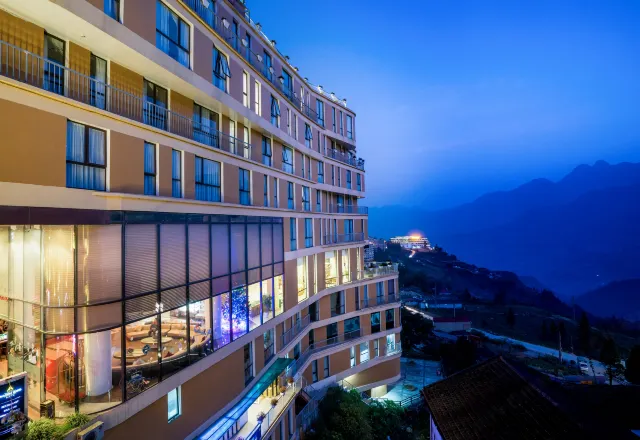
The mountain train to Fansipan leaves from Sun Plaza, right on Sapa square. Stay in town and you can walk to the train and ride on to the cable car, the best way to leave early and catch the clear morning hours. Buses from Hanoi also stop in town.
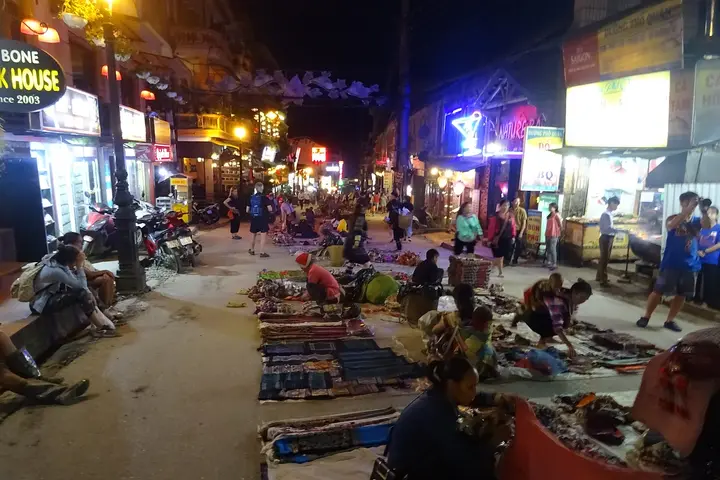
- Good: restaurants, cafés, massage and the night market are close by. Town has the widest choice, from big hotels to small boutique ones, and many have good hot water and heating.
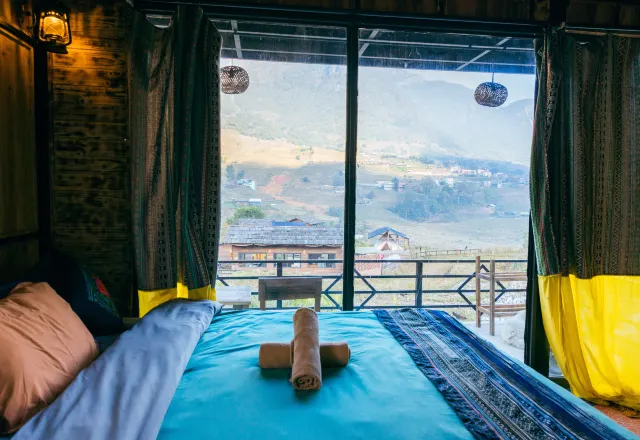
- Less good: many rooms look out on other buildings. For the valley, ask for a “Muong Hoa valley view” or “mountain view” room. Sapa is a hill town, so a short distance on the map can still be uphill.
- Tip: within a 10-minute walk of Sapa square, both Fansipan and dinner are easy.
Near Cat Cat village: between town and the view
About 2–3 km from town, near the best-known ethnic village. Many places here look over terraces and the valley.
- Good: close to town yet easy to find a room with a view. You can walk the village early or late, when the day visitors have gone.
- Less good: the village is busy by day, and the lanes are steep.
- Tickets and the walk are in the Cat Cat village guide.
Sapa outskirts resorts: for a quiet stay
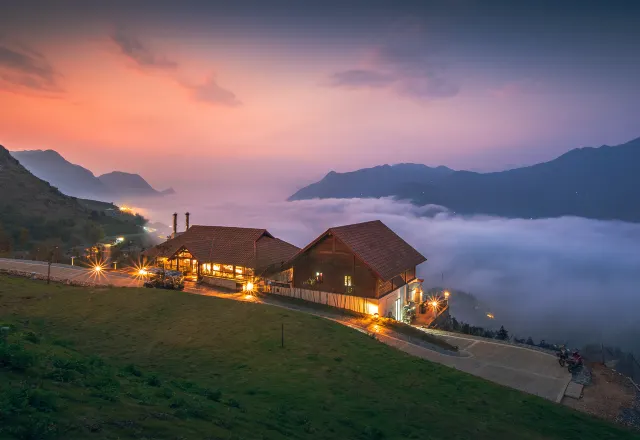
Resorts on the hillsides a little out of town have space, pools and mountain views. They are good for a rest away from the town noise, and many have pools and kids’ clubs that suit families. Getting to town or Sun Plaza means a car or taxi, so plan the morning you go up Fansipan.
Muong Hoa valley villages: Lao Chai, Ta Van and Y Linh Ho
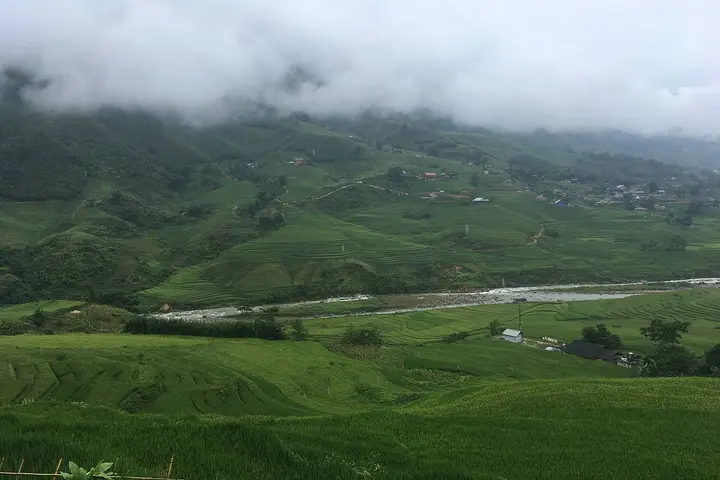
These villages sit low in the Muong Hoa valley. Lao Chai is about 7 km from town and Ta Van about 10 km, and a path links the two. Ta Van has the most homestays and also small hotels and bars. Lao Chai is a Hmong village on the main trekking path.
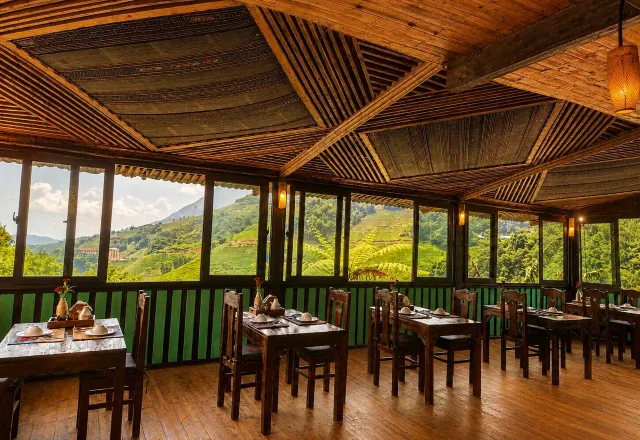
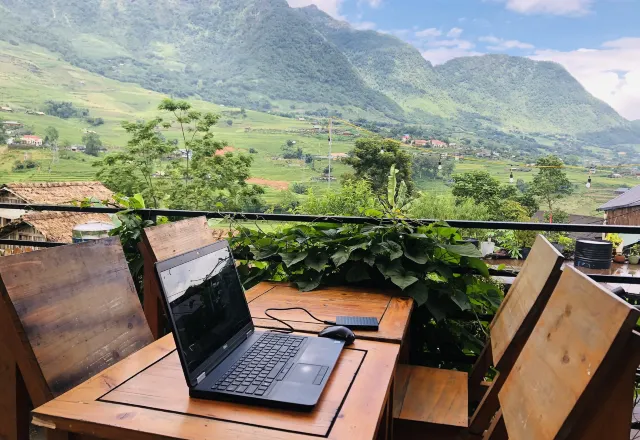
- Good: the rice terraces are right outside the door. They make a fine start for treks, and with few lights the night sky is good for stars.
- Less good: to go up Fansipan you need a car back to town. Lanes are narrow and dark after sunset, so plan how you will get back. There is no ATM in the villages: bring enough cash in dong.
- The walk between the villages is in the Muong Hoa valley trek guide. With luggage or a late arrival, a car with driver is easier.
Ta Phin (Tả Phìn), about 12 km north-east of town, is a Red Dao village, quieter than the valley, where you can try a Red Dao herbal bath.
Kinds of stay in Sapa: hotels, resorts, homestays, ecolodges
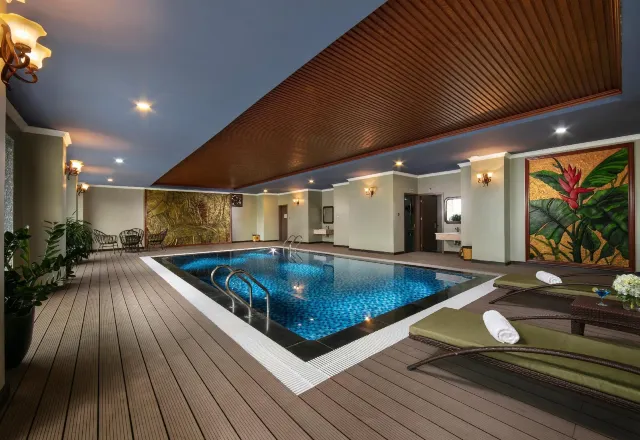
- Big hotels: with about 150–250 rooms, mostly in town. Many have indoor pools, spas and kids’ clubs, handy on a rainy day.
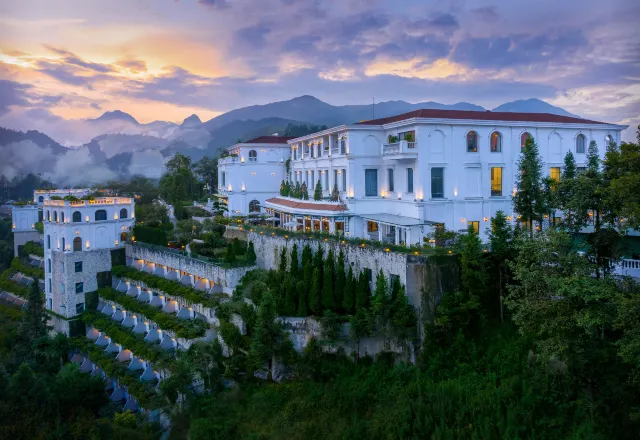
- Boutique hotels: smaller hotels of a few dozen rooms. Many have opened in town in the last few years, some with rooftop pools or sky bars.
- Resorts: spread out on the hillsides out of town, often with a view pool and a spa.
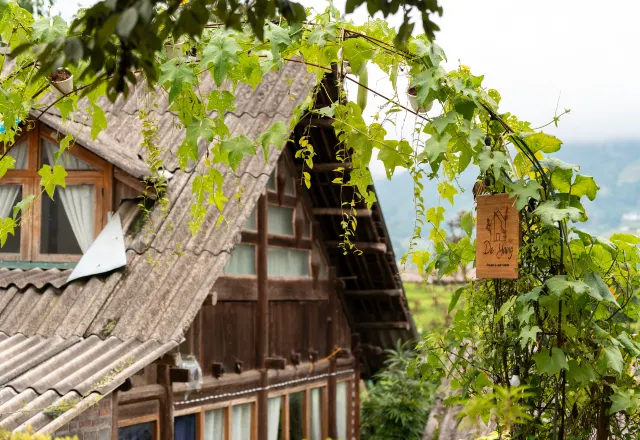
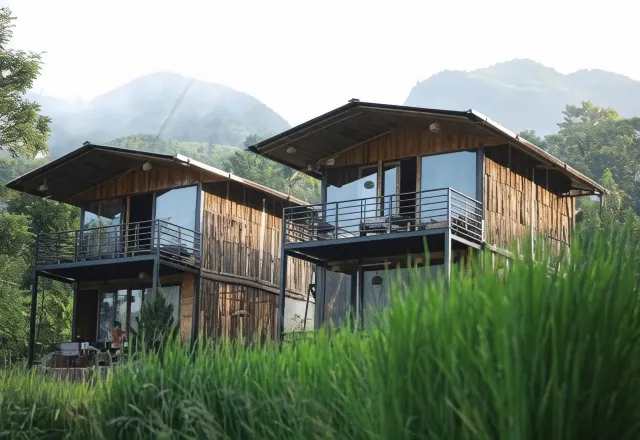
- Ecolodges: stays in nature in the valley villages, as comfortable as a hotel but right beside the terraces.
- Homestays and farmstays: you sleep in a village family’s house or on a farm. More on these below.
What a Sapa homestay is like
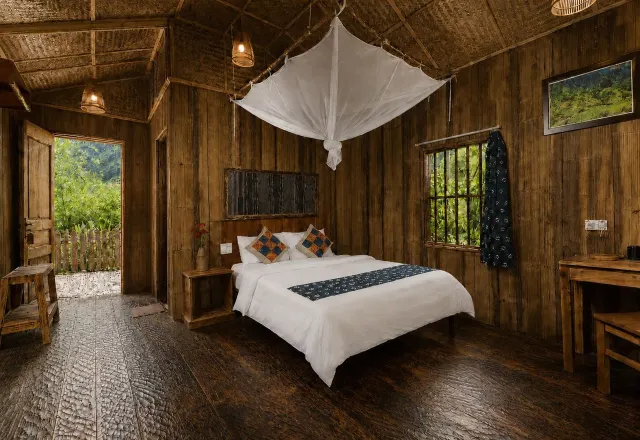
Sapa homestays come in two kinds. Check the photos and description to see which one you are booking.
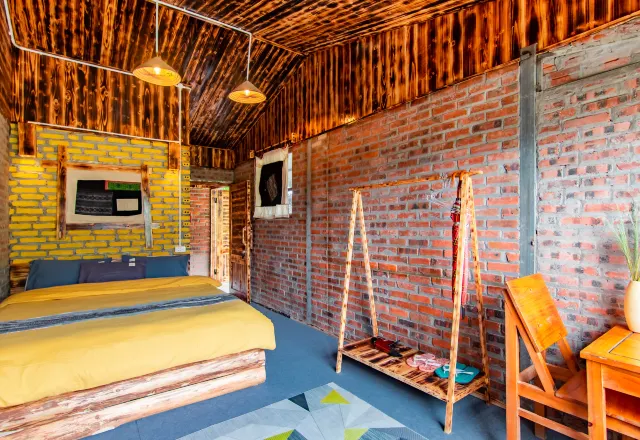
- Village homestay: you stay in the host family’s house, on thin mattresses over a wooden floor. Toilets are shared and may be squat toilets, hot water comes from solar or gas heaters, and there is no air conditioning. Bring a towel.
- Boutique homestay: the family lives apart, and guests have rooms with beds and their own bathroom (Western toilet, shower). Most have Wi-Fi and charging, and staff speak some English.
- Meals: most include dinner and breakfast. Dinner is usually at 7–8 pm, 4–6 dishes shared with the family at one table. Tell them when booking if you are vegetarian.
- Things to do: trek the terraces, watch weaving and crafts, chat with the children in English, look at the stars.
- Good to know: there are no ATMs in the villages and many places take cash in dong. Village homestays may be short of power and Wi-Fi, so bring a power bank. Check-in is usually 1–2 pm, check-out 10–11 am.
On a first visit, one night in a town hotel and one in a valley homestay is an easy mix.
What to check when choosing a Sapa hotel
- Walking distance: if Fansipan is the plan, check how many minutes it is to Sapa square (Sun Plaza).
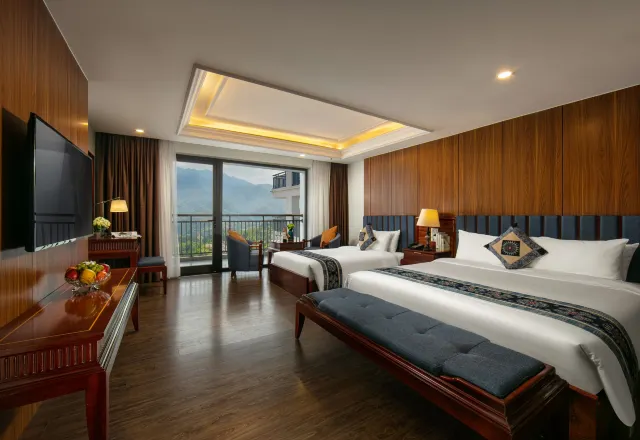
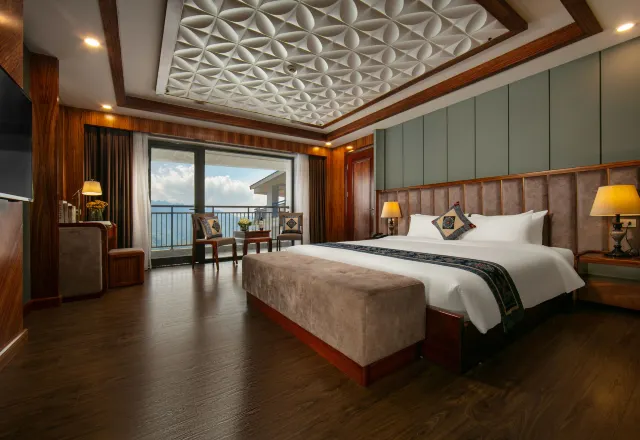
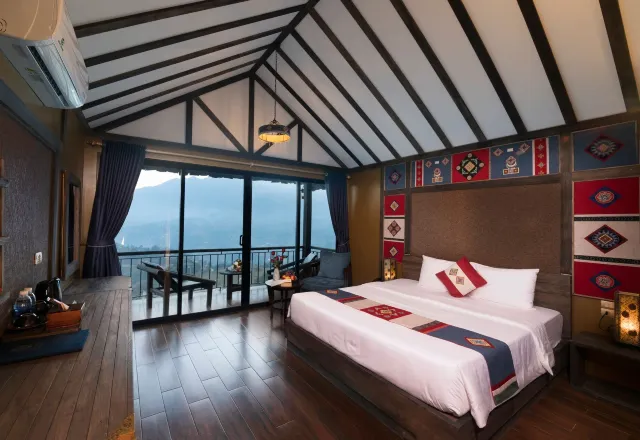
- Which side the room faces: a valley-side room and a street-side room in the same hotel have very different views.
- Heating and hot water: winter nights in Sapa drop to about 6–8°C. Look for “heating” and “hot water” in the reviews.
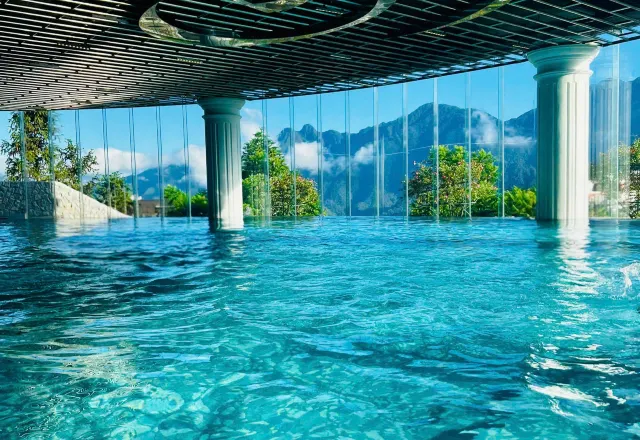
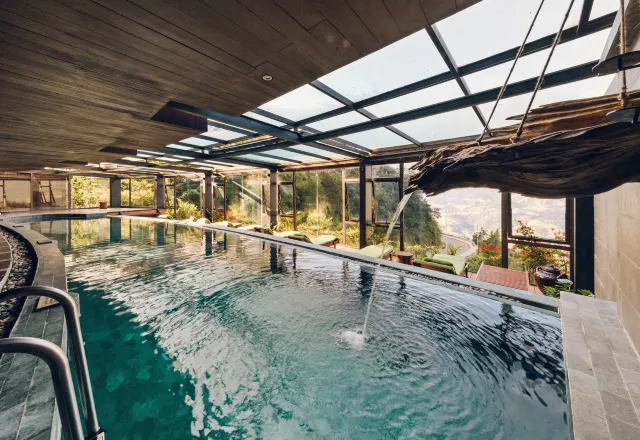
- The kind of pool: indoor or outdoor, heated or not. In winter, an indoor heated pool is best.
- Number of reviews: new hotels have few reviews, so their ratings can still change.
- Breakfast: if you go up Fansipan early, check when breakfast starts.
Sapa hotels with a pool: heated indoor, infinity and rooftop
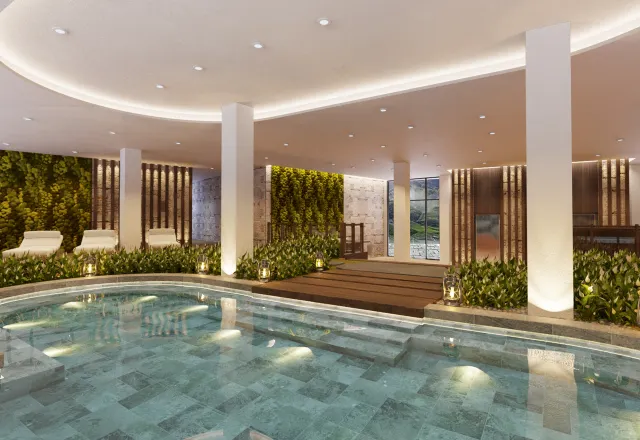
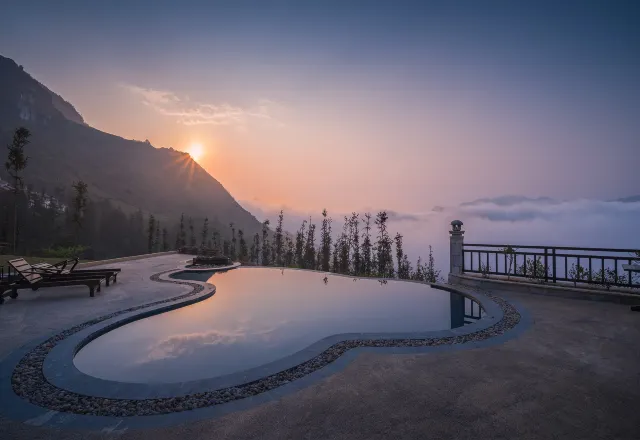
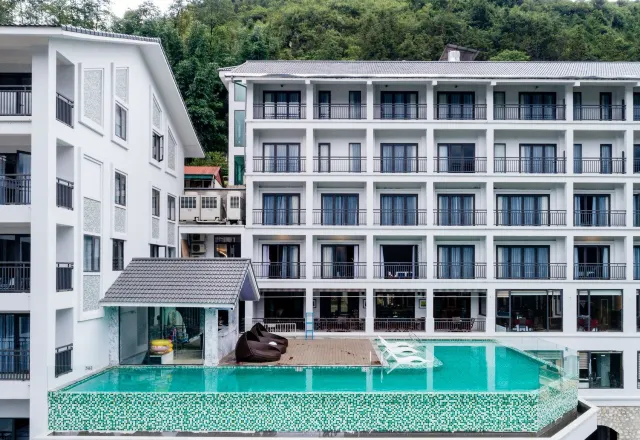
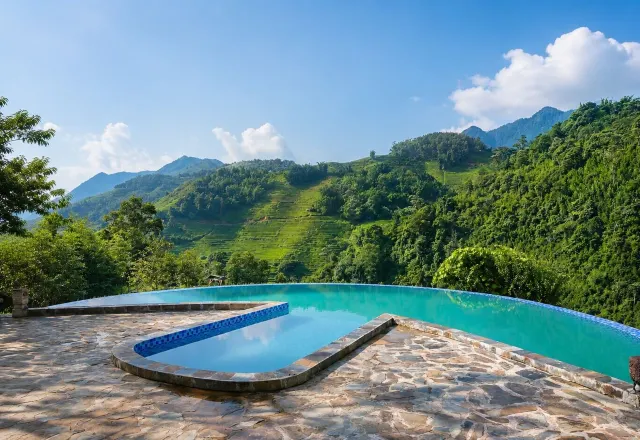
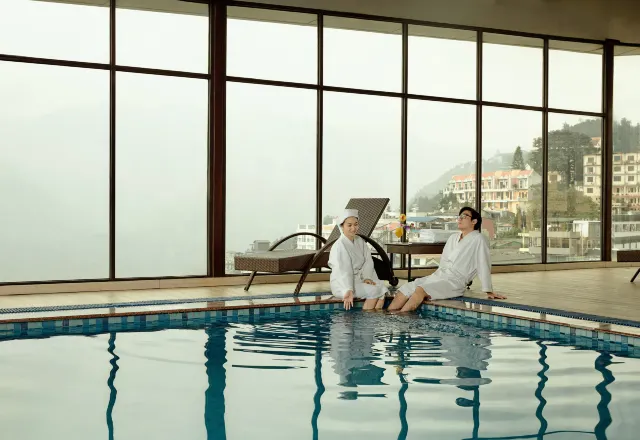
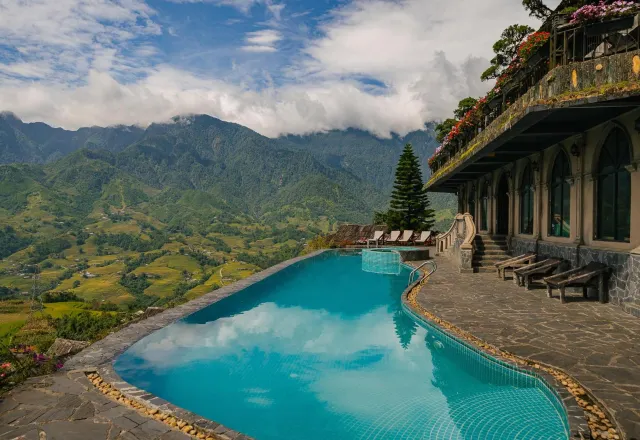
Sapa has many hotels and resorts with pools: infinity pools over the valley and mountains, rooftop pools above the town, and heated indoor pools you can use in winter. From December to February nights are cold, and outdoor pools can be chilly. For a winter swim, choose a heated indoor pool, and ask about the water temperature and opening of an outdoor pool before you book.
Family hotels in Sapa
- With Fansipan in the plan, a town hotel keeps travel short.
- Some big hotels and resorts have a kids’ club or play area, useful on a rainy day.
- Check for family rooms, connecting rooms or extra beds.
- The child cable car fare (1–1.4 m tall) is in the Fansipan cable car guide, and the alpine coaster (it has a height limit) and Moana make good family outings.
Sapa stays for couples and honeymoons
- For the view: resorts facing the valley or places near Cat Cat. The scenic hotel ranking on Trip.com is a good place to look.
- Many hotels have a spa or sauna, nice after a trek.
- For a quiet stay: a small place with few rooms, or an ecolodge in the valley.
Hotels near the Fansipan cable car
The way up Fansipan starts with the mountain train at Sun Plaza on Sapa square, so the closer you stay to the square, the easier it is. Each hotel card shows its distance from the square. Tickets and how to ride are in the Fansipan cable car guide.
Sapa hotels in winter: heating and saunas
Average lows in Sapa town are 7°C in December, 6°C in January and 8°C in February. The Fansipan summit is about 9°C colder, with frost and ice some days. In winter a well-heated town hotel is easiest; valley homestays vary, so check the heating before you book. A hotel with a sauna is a good way to warm up. What only winter shows is in Sapa in winter.
How many nights in Sapa: one, two or three
From Hanoi to Sapa is about 5.5–6 hours by limousine bus. Fansipan is better the morning after you arrive than on the day itself. Transport is in Hanoi to Sapa.
- One night: the town centre, to go up Fansipan early next morning.
- Two nights: one in town (Fansipan) and one in a valley village (trekking). Keep the clearest morning for Fansipan and trek on the other day, so the weather is less likely to upset your plan.
- Three or more: two nights in town, to have a spare day for Fansipan, and one in a valley homestay or an outskirts resort.
- For picking the Fansipan day, the 9-day forecasts for the Fansipan summit and Sapa town help.
When to book a Sapa hotel: the busy times
- Most of the year, 2–4 weeks ahead is usually enough.
- September and October (golden terraces) and weekends are the busiest. Book a month or more ahead.
- Vietnamese holidays in 2027 fill Sapa too: New Year 1–3 January, Tết (Lunar New Year) 4–10 February, Hung Kings 16–18 April, 30 April – 3 May, National Day 2–5 September, and Vietnamese Culture Day on 24 November.
- In June to August many Vietnamese families come for the summer, and at Christmas and New Year many come for the events.
- Seasons and festivals month by month are in the best time to visit Sapa.
How to read the rankings and ratings on this page
- Rankings: we follow Trip.com’s two Sapa rankings, premium hotels and scenic hotels. Cards carry a ranking badge, and a #1 hotel gets a gold strip. The rankings are updated on the 1st of each month.
- Order: the best-ranked hotels come first, then by rating.
- Rating: Trip.com guest rating out of 10.
- Distance: in a straight line from Sapa square (the stone church). The walk is a little longer.
- Map: each name tag on the map filters the list; gold dots are the hotels.
- Prices: they change a lot by date, so we leave them out. Use the date search at the top or a card’s “Check prices” for your dates.
Sapa hotel questions
What is the best area to stay in Sapa?
On a first visit, with Fansipan as the plan, the town centre near Sapa square is easiest. For terraces and trekking, a valley village such as Ta Van or Lao Chai; for a quiet rest, an outskirts resort.
Is a Sapa homestay all right for a first visit?
A boutique homestay with a private bathroom is comfortable even on a first visit. A village homestay, with shared toilets and sometimes little hot water or power, suits those who want something different.
Can I use a Sapa hotel pool in winter?
Yes, if it is a heated indoor pool. Outdoor pools can be cold or have shorter hours, so ask the hotel first.
How far ahead should I book a hotel in Sapa?
Usually 2–4 weeks; for September and October, weekends and Vietnamese holidays, a month or more.
Sources: where-to-stay guides from Day Trips Vietnam, Sapa Nomad, 22places and Indie Traveller (the areas), Vexere’s Sapa homestay guide (2026: villages, kinds of homestay, meals, booking), Trip.com hotel facts (checked 1 November 2026). Climate normals and holidays follow the sources of our month-by-month weather and best time to visit guides.
