 Fansipan
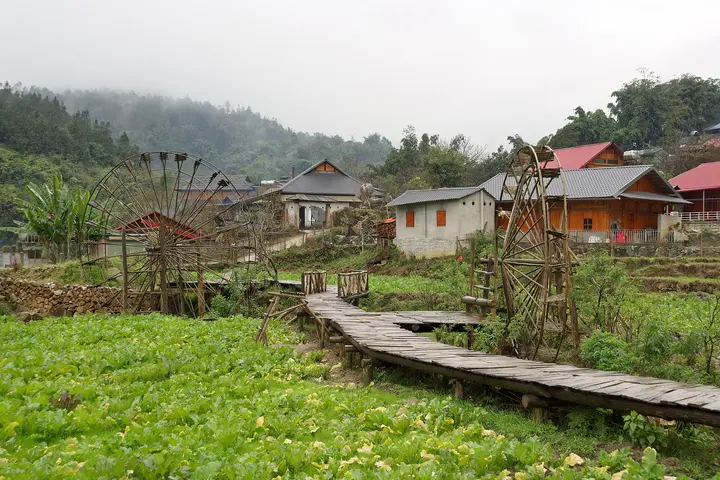
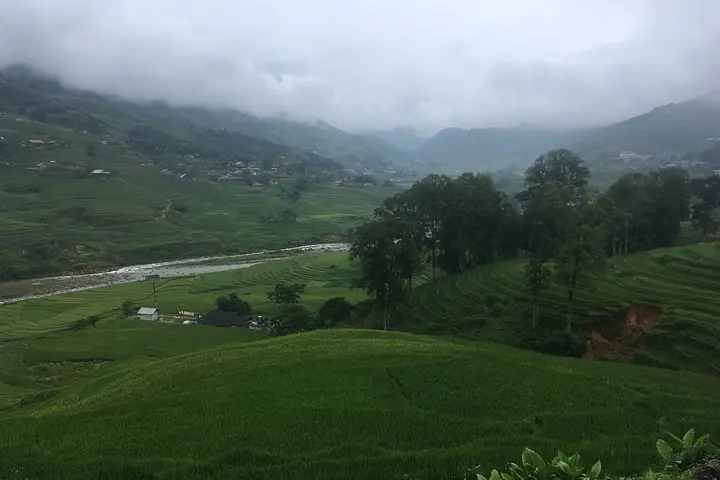
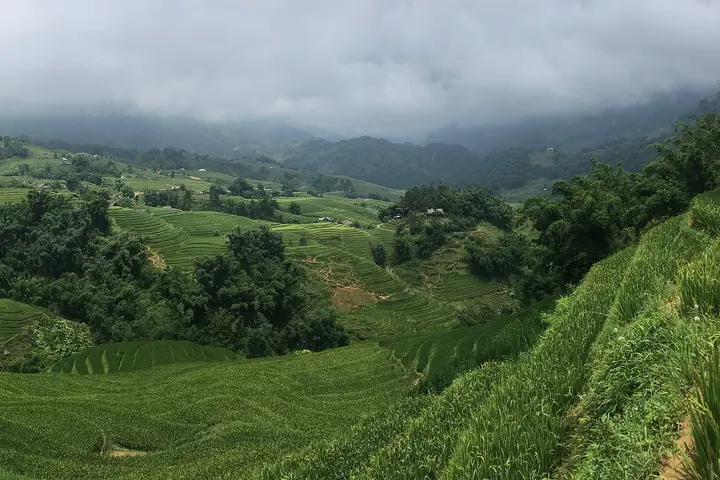
If you walk one trail in Sapa, make it this one. It follows the Muong Hoa (Mường Hoa) valley south of town, through the rice terraces and three villages: Y Linh Ho, Lao Chai and Ta Van. It is the valley you look down on from the Fansipan cable car, walked on foot, and many people call it the best day of their Sapa trip.
The route
- Start in Sapa town
- Y Linh Ho (Ý Linh Hồ): a Black Hmong village; from the hill above it the whole valley of terraces opens up.
- Lao Chai (Lao Chải): a Hmong village at the bottom of the valley; lunch is usually around here.
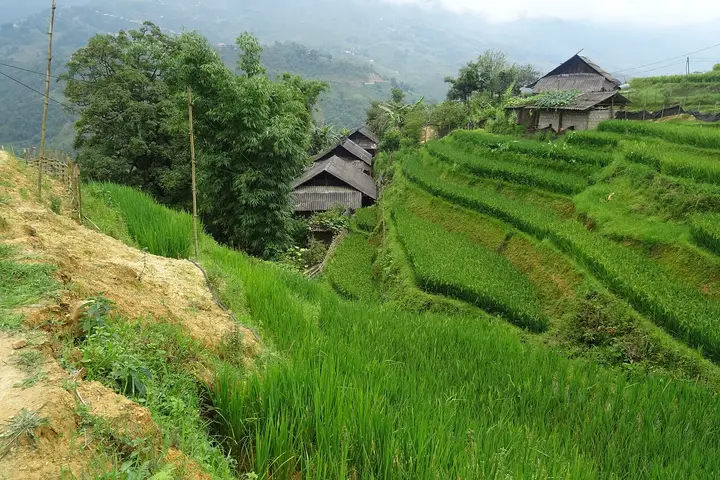
- Ta Van (Tả Van): a Giay (Giáy) village full of homestays and cafés. From here a car takes you back to town.
Distance and difficulty
From Sapa's main square: Lao Chai about 7 km, Ta Van about 10 km
Directions in Google MapsLao ChaiTa Van
Moanaabout 500 m
Cat Cat villageabout 1.5–3 km
Alpine coasterabout 4 km
Lao Chaiabout 7 km
Ta Vanabout 10 km
Silver Waterfallabout 12 km
Rong May Glass Bridgeabout 15–18 km
Rough distances from Sapa's main square and stone church. By road it can be further. Dashed lines are straight-line. Map data © OpenStreetMap
- The usual walk is about 9–12 km; depending on where you start it can stretch to around 15 km.
- With breaks and lunch it takes 4–6 hours.
- Most people rate it moderate. After rain the dirt paths get properly slippery, so wear trainers or hiking shoes with a firm grip.
Valley entrance fee
- About 75,000 VND per adult and 30,000 VND per child, collected at a checkpoint on the road.
- Some older guides say 150,000 VND. Tours often include the fee.
On your own or with a tour
- On your own: following the main road, you will hardly get lost. The shortcuts through the terraces are unmarked, though, and can be confusing.
- With a tour: the guide takes you along the paths between the terraces, tells you about the villages and drives you back to town at the end. The Klook small-group tour takes up to 16 people, leaves Sapa in the morning and is back in the early afternoon, with free cancellation up to a day before.
- If walking all day sounds like too much: there is also a no-trek half-day tour. A van takes you to valley viewpoints, you walk only about 2 km at an easy pace from Lao Chai to Ta Van, then finish with a Dao herbal foot soak and a drink at a cafe. It leaves from in front of Sapa’s stone church at 8 am or 2 pm and costs from about US$29 per person on Klook (rated 4.9, 5,000+ booked). Free cancellation up to a day before.
When to walk it
- From June to August the terraces are full and green; around September the rice turns gold. Sapa’s weather month by month is in the best time to visit guide.
- Check for rain before your walk: Sapa weather shows rain hour by hour.
Good to know
-
Bring water, a snack and a rain jacket. The valley can be sunny and bright, so a hat and sunscreen help too.
-
Village women sometimes walk along with you and offer handicrafts. If you do not want to buy, a smile and a polite no is fine.
-
To slow down, sleep at a homestay in Lao Chai or Ta Van and walk on the next day. See where to stay in Sapa.